

You finally finished that painted tee. The colors are bright, the lines are clean, and now it sits on a chair because you are nervous about washing it. That caution makes sense. The first wash is the moment that decides whether a painted design lasts for years or comes out cracked, faded or stiff.
The good news is that washing fabric-painted clothes is not complicated. It mostly comes down to two habits: waiting long enough before the first wash and being gentle for the first few washes. This guide walks you through both, explains the reason behind each step, and shows you how to rescue a design if a wash has already gone wrong.
Quick answer
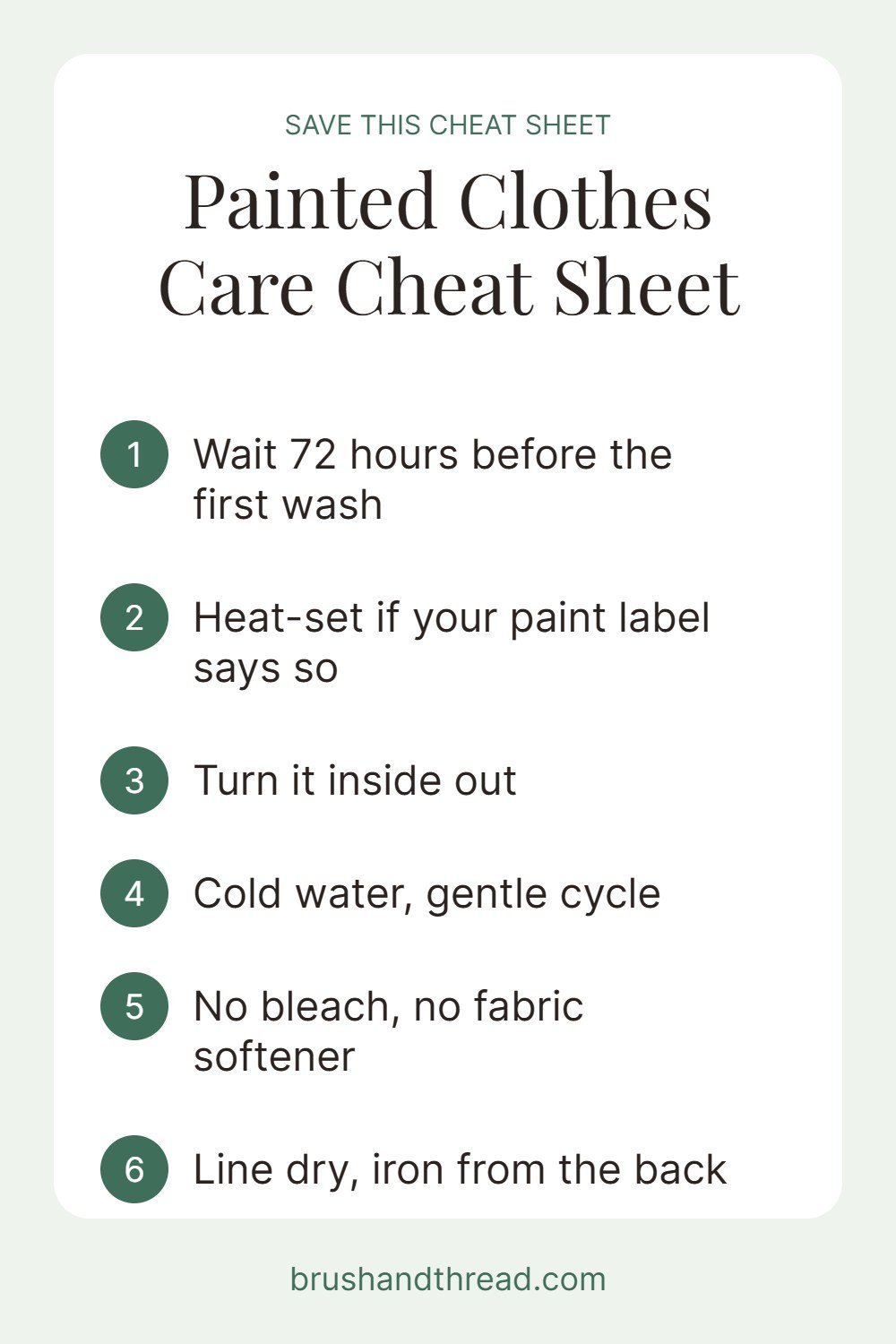
Wait at least 72 hours after painting, and heat-set the design first if your paint asks for it. Then turn the garment inside out, wash it in cold water on a gentle cycle with a little mild liquid detergent, skip bleach and fabric softener, and air dry it. Iron only from the back.
Before the First Wash: Cure and Heat-Set
Fabric paint feels dry within a few hours, and that is exactly what catches people out. Dry to the touch only means the surface water has gone. Underneath, the paint is still bonding with the fibers, and if it gets soaked and tumbled too early it can lift, smear or fade. That is why most fabric paint makers ask you to wait around three days before laundering. Tulip, for example, lists a 72-hour wait before washing for its soft fabric paint, and Plaid gives the same 72-hour cure time for its fabric inks.
The second half of the job is heat-setting. Many fabric paints, and any regular acrylic mixed with fabric medium, need heat to lock the color in place. Check your bottle first, because some paints are air-cure only. If yours calls for heat, let the design dry for a full 24 hours, lay a pressing cloth or a sheet of baking paper over it, and iron with the steam turned off for three to five minutes, keeping the iron moving. Then flip the garment and press the back of the design for another minute or two.
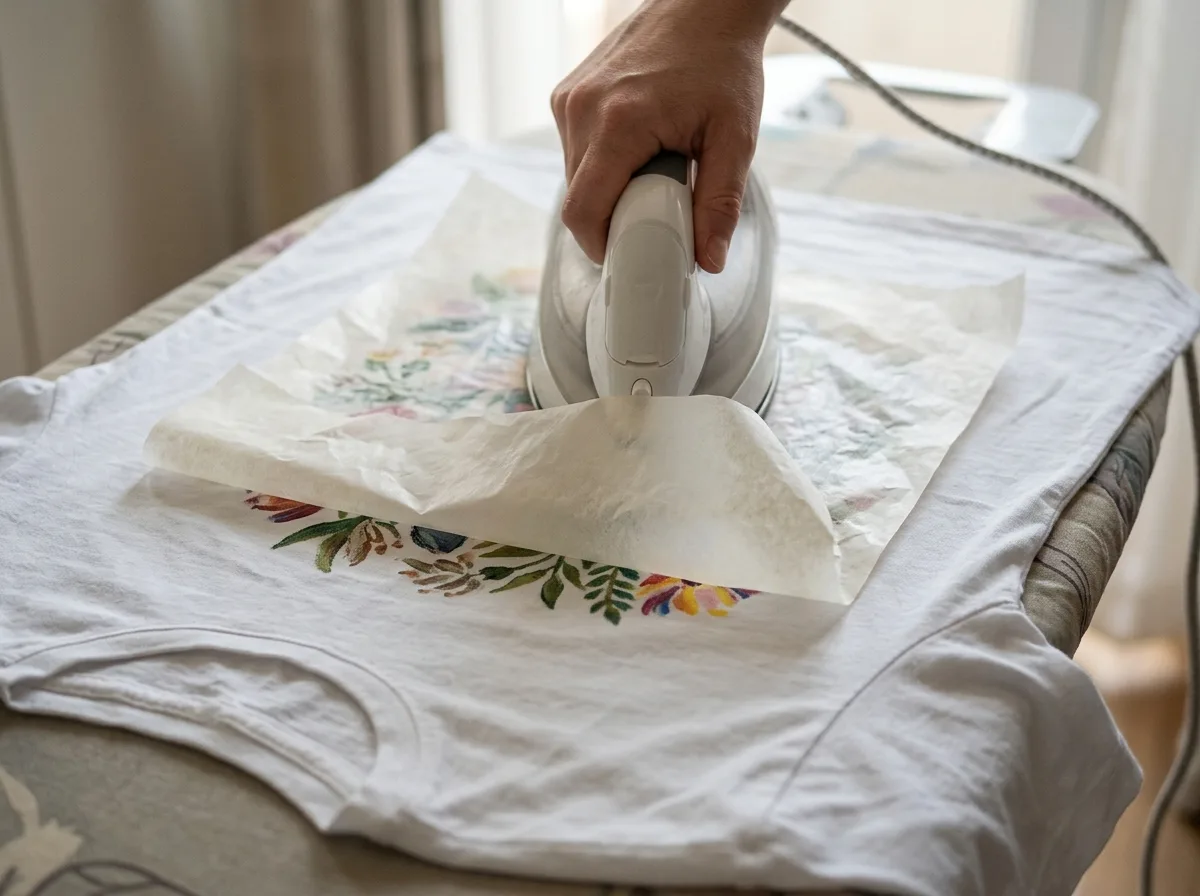
Never put a hot iron straight onto paint. It can stick to the soleplate and peel the design away. And remember that the 72-hour clock still applies after heat-setting. If you want the full timeline by paint type, our guide on how long fabric paint takes to dry explains the difference between touch-dry and fully cured.
How to Machine Wash Painted Clothes
Once the paint has cured, the washing machine is perfectly fine. Start by turning the garment inside out. Most wear on painted clothes comes from the painted surface rubbing against the drum and against other clothes, and turning it inside out removes most of that friction. If the design is detailed, with puff paint, glitter or fine line work, put it in a mesh laundry bag for a second layer of protection.
Next, choose cold water and a gentle or delicate cycle. Heat and heavy agitation are the two things that break the bond between paint and fabric, so this one setting does most of the work for you. Wash the piece with similar colors for the first two or three washes, because freshly painted items can shed a little color early on.
Finally, keep the detergent simple. A small amount of mild liquid detergent is ideal. Powder can be slightly abrasive, and strong stain-fighting formulas can attack pigment. Leave out bleach, which fades color, and fabric softener, which coats the paint and can leave it feeling tacky.
How to Hand Wash for the First Few Washes
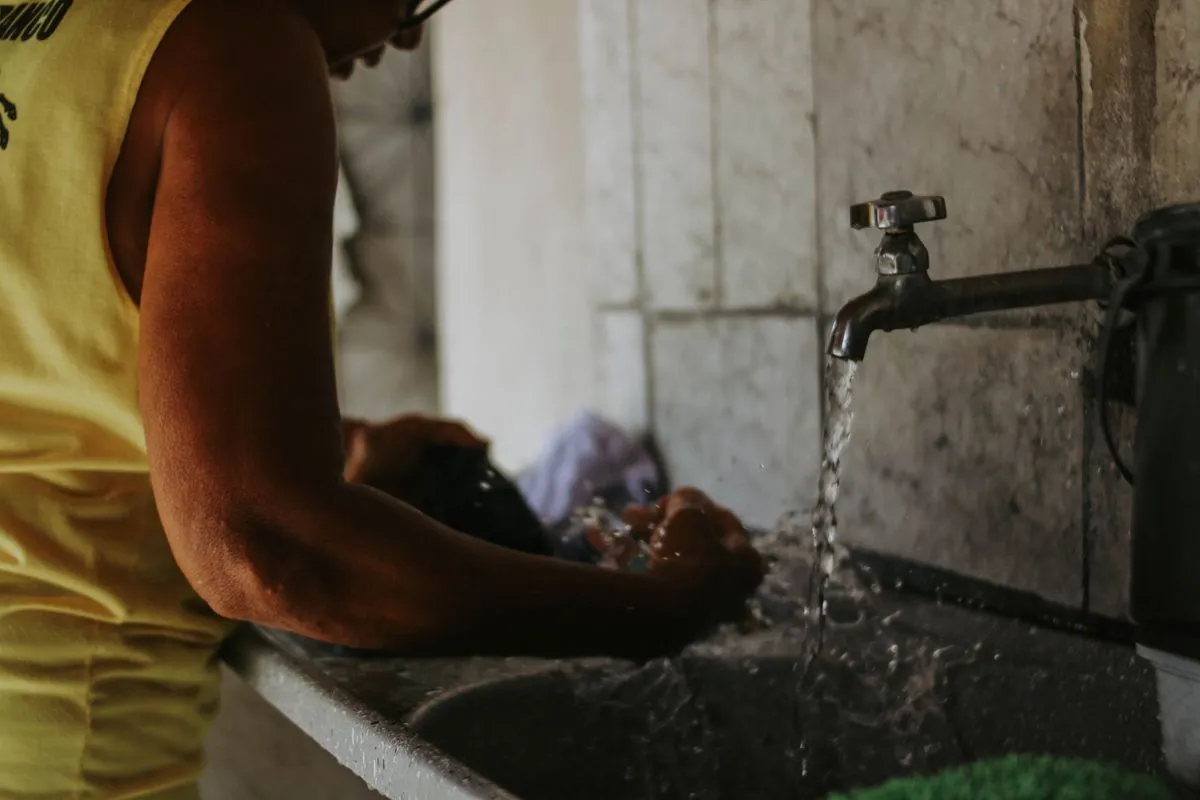
If a piece took you hours to paint, hand washing it the first few times is worth the extra five minutes. Fill a basin with cold water and add a few drops of mild detergent. Turn the garment inside out, submerge it, and swish it gently for a minute or two. There is no need to scrub the painted area; the soapy water does the cleaning.
Rinse in clean cold water until the soap is gone. Then lay the garment between two towels and press the water out instead of wringing it. Wringing twists and bends the paint, which is how small cracks start.
Drying and Ironing Without Damage
The dryer usually does more harm than the wash. High heat softens the paint at the same time as the tumbling flexes and rubs it. The safest choice is to hang the garment or lay it flat, still inside out, somewhere out of direct sun. If you need to use a dryer, pick the no-heat or air-fluff setting and take the garment out while it is still slightly damp so it can finish drying on a hanger. Avoid regular or high heat, especially during the first month.
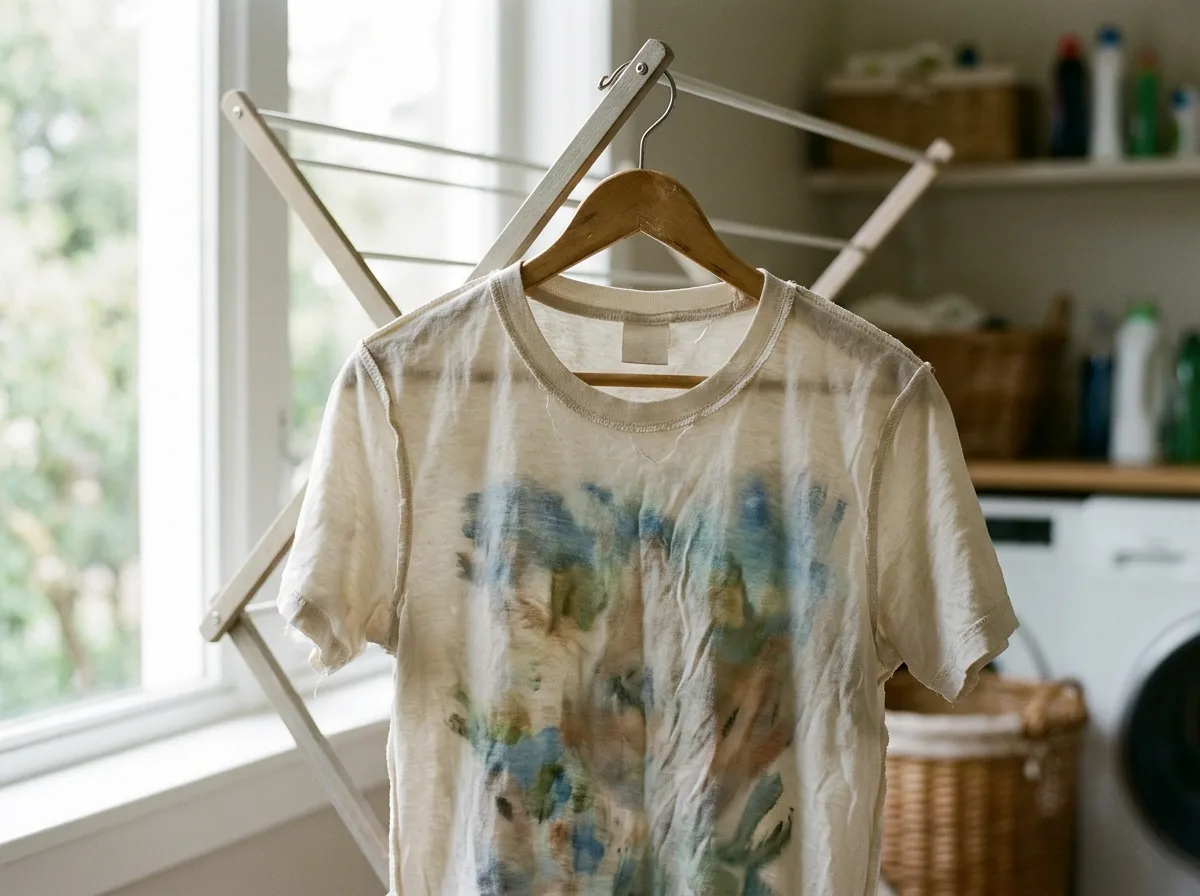
Ironing later on is easy as long as the iron never touches the paint directly. Iron the garment inside out, or place a pressing cloth over the design. Direct contact can scorch the paint or leave a shiny patch.
Care Tips by Paint Type
Different paints need slightly different care. Use this table as a starting point, and always let the instructions on your own bottle take priority.
| Paint type | Before first wash | Wash | Dry |
|---|---|---|---|
| Fabric paint (soft/flexible) | Wait 72 hrs; heat-set if label says | Cold, gentle, inside out | Line dry |
| Acrylic + fabric medium | Heat-set, then wait 72 hrs | Cold, gentle, inside out | Line dry |
| Plain acrylic (no medium) | Heat-set; expect some cracking | Hand wash, cold | Lay flat |
| Puff / dimensional paint | Wait 72 hrs, no iron on top | Hand wash or mesh bag, cold | Lay flat |
| Fabric markers | Heat-set per pen label | Cold, inside out | Line dry |
Painted with regular acrylic instead of fabric paint? Read can you use acrylic paint on fabric before your next project. Mixing in fabric medium is what keeps acrylic soft and stops it cracking in the wash.
Already Washed It and Something Went Wrong?
Most washing problems can be fixed or at least improved. Here are the four most common ones and what to do about each.
The paint feels stiff
Stiffness usually means the paint went on too thick or had no fabric medium mixed in. A couple of extra gentle washes often soften it noticeably. On your next project, build the color up in several thin layers rather than one heavy coat.
The design cracked
Cracks appear where the fabric bends and the paint cannot bend with it. Let the garment dry fully, touch up the cracked lines with fabric paint thinned slightly with medium, then heat-set again and wait another 72 hours before washing.
The colors faded or bled
Fading after a single wash points to a skipped heat-set or a wash that came too soon. You cannot bring the color back, but you can repaint the faded areas and set them properly. If color bled onto other clothes, rewash those items straight away in cold water before the transfer sets.
The paint peeled off
Peeling almost always means the fabric was not pre-washed, so factory sizing blocked the paint from bonding, or the fabric is a slick synthetic. Our step-by-step guide to using fabric paint on clothes covers the prep that helps your next piece grip properly.
Keeping Painted Clothes Bright for Years
Every wash causes a little wear, so wash painted pieces only when they actually need it and spot clean small marks with a damp cloth and a drop of mild soap. Store them folded inside out and away from sunlight, which slowly fades pigment. When you do machine wash them, keep heavy items with zippers or hook-and-loop fasteners out of the same load, since they snag and scrape paint.
Painting shoes or a leather jacket instead? Leather needs very different care, so follow our guide to acrylic paint on leather. And if you are about to paint denim, our tutorial on how to paint jeans shows how to keep the design flexible from the start.
Frequently Asked Questions
Can you put clothes with fabric paint in the washing machine?
Yes, once the paint has cured, usually after 72 hours, and been heat-set if the label asks for it. Use cold water and a gentle cycle, and turn the garment inside out.
Does fabric paint wash off clothes?
Properly cured and heat-set fabric paint is permanent. It washes off or fades when it is laundered too soon, never heat-set, or washed in hot water.
How long after painting can I wash a shirt?
Wait at least 72 hours. If your paint label gives a different time, follow the label.
Can I wash fabric-painted clothes in warm water?
Some brands allow warm water once the paint has cured, but cold water is the safer choice and keeps colors bright for longer.
Can I put a painted shirt in the dryer?
Air drying is best. If you must use a dryer, choose the no-heat or air-fluff setting and remove the shirt while it is still slightly damp.
The Bottom Line
Wait three days, heat-set if your paint asks for it, then wash cold, gentle and inside out, and let the garment air dry. Treat the first few washes with a little extra care and your painted clothes will keep looking good for a long time. Ready for your next project? Browse our fabric painting ideas for easy designs to try.
Want your design to survive every wash? Read our step by step guide on how to heat set fabric paint with an iron, a dryer or an oven.