
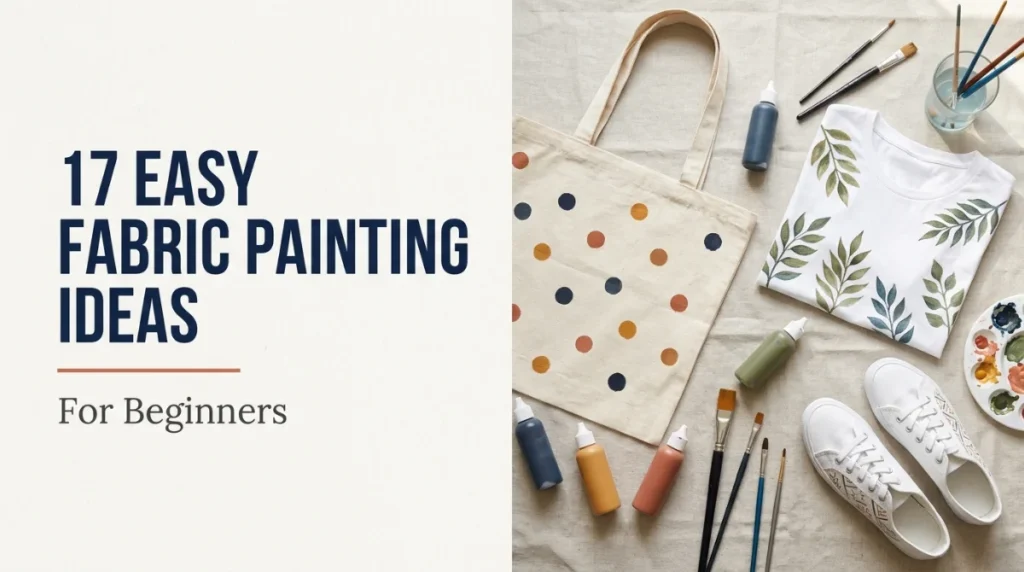
You’ve got a plain tee, a bottle of fabric paint and absolutely no idea what to put on it. That blank fabric can feel weirdly intimidating, especially when everything you see online looks like it was made by a professional.
Here’s the secret: most of the painted clothes and bags you admire use a handful of simple techniques. Below are 17 fabric painting ideas, sorted from easiest to a little more ambitious, each with what it works best on and exactly how to do it.

Quick Answer
The easiest fabric painting ideas for beginners are polka dots, stenciled repeat patterns, painter’s-tape stripes and color blocking, minimalist botanicals and leaf prints. They need no drawing skill. Paint on pre-washed cotton with cardboard underneath, use thin layers, and heat-set the design once it’s fully dry so it survives the wash.
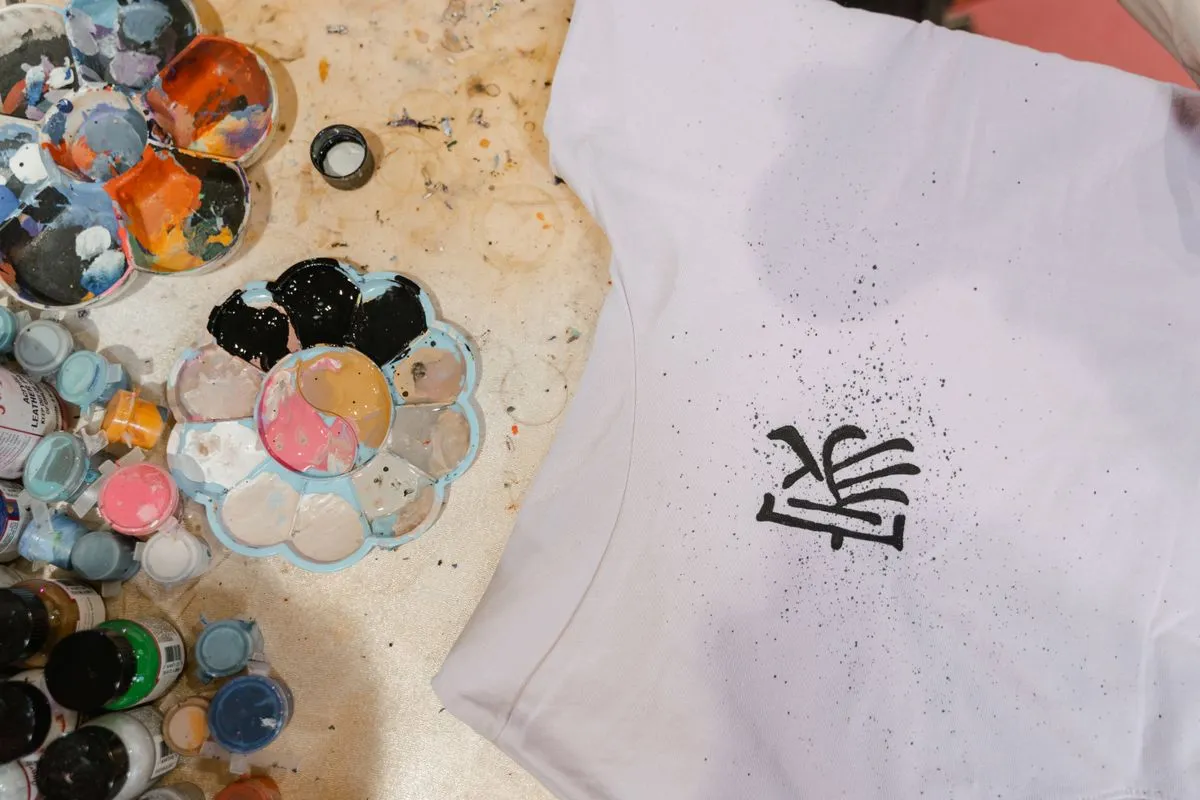
What You Need for Every Idea
- Fabric paint (Tulip or Arteza are easy for beginners), or acrylic paint plus fabric medium
- Flat and round synthetic brushes, plus a sponge dauber
- A plain, pre-washed cotton item: tee, tote, pillowcase, denim jacket or canvas shoes
- Cardboard to slip inside so paint doesn’t bleed through
- Chalk or a fabric pencil for sketching
- Painter’s tape and cardstock for stencils
- An iron and a pressing cloth for heat-setting
Using regular acrylic instead of fabric paint? Read can you use acrylic paint on fabric first so your design stays soft and doesn’t crack.
All 17 Ideas at a Glance
| Idea | Skill level | Best on |
|---|---|---|
| 1. Polka dots | Very easy | Kids’ clothes, pillowcases |
| 2. Stenciled repeat pattern | Very easy | Totes, tees |
| 3. Painter’s-tape stripes | Very easy | Jeans hems, tees |
| 4. Color blocking | Easy | Totes, jackets |
| 5. Leaf and flower stamping | Easy | Tea towels, tablecloths |
| 6. Minimalist botanicals | Easy | Linen shirts, totes |
| 7. Bold geometric shapes | Easy | Cushions, tees |
| 8. Gold accent details | Easy | Dark totes, black tees |
| 9. Abstract splatter | Easy | Sneakers, aprons |
| 10. Monogram or initials | Easy | Towels, gift totes |
| 11. Quote lettering | Medium | Totes, sweatshirts |
| 12. Ombre fade | Medium | Scarves, skirts |
| 13. Watercolor wash | Medium | Scarves, pillowcases |
| 14. Floral collar detail | Medium | Shirts, dresses |
| 15. Animal print | Medium | Cushions, headbands |
| 16. Folk and block-print motifs | Medium | Throws, wall hangings |
| 17. Painted canvas sneakers | Medium | Canvas shoes |
Easiest Ideas: No Drawing Skills Needed
These first five ideas rely on simple tools like stamps, tape and stencils, so they look neat even if you have never painted fabric before.
1. Playful Polka Dots
Polka dots never go out of style, and they’re the most forgiving pattern there is. Uneven dots just look handmade in a good way.
How to do it: Dip the round end of a pencil eraser, a dowel or a cotton swab in paint. Stamp dots in loose rows, reloading every two or three dots. Mix two sizes or two colors for a more designed look.
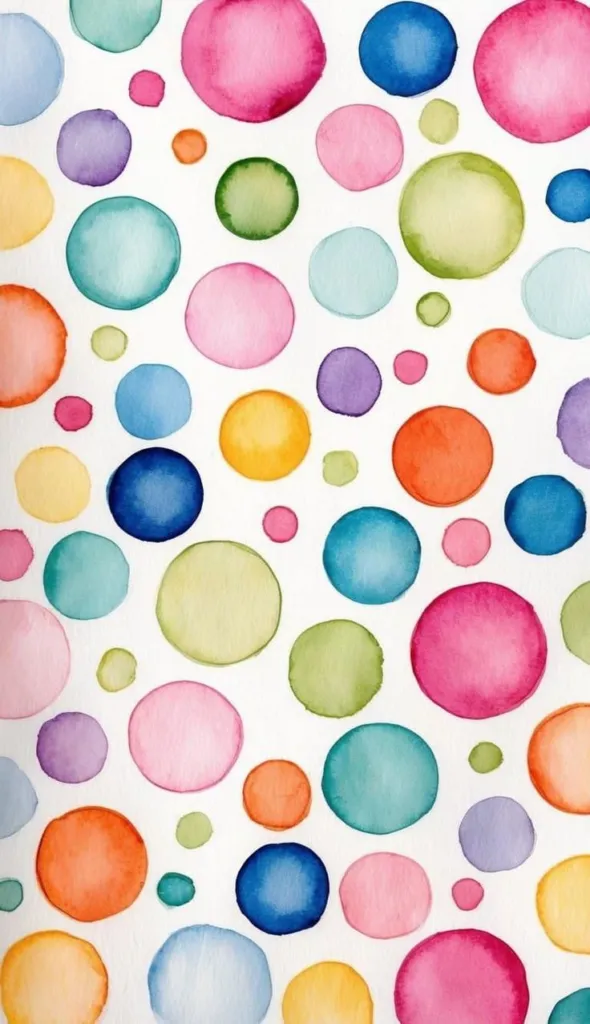
2. Stenciled Repeat Pattern
A repeat pattern looks professional and needs zero drawing skill. Buy a stencil or cut a simple shape like a star, leaf or diamond from cardstock.
How to do it: Hold or tape the stencil flat against the fabric. Dab paint on with a sponge dauber, working from the edges inward, instead of brushing (brushing pushes paint under the edge). Lift straight up, move it over, and repeat in evenly spaced rows.
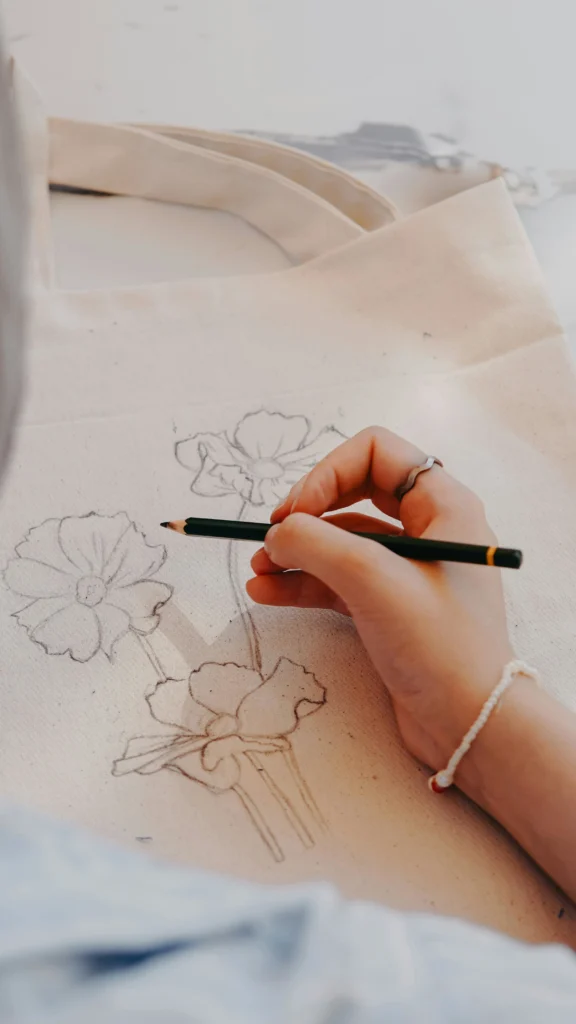
3. Painter’s-Tape Stripes
Crisp stripes look store-bought, and the tape does all the precision work for you.
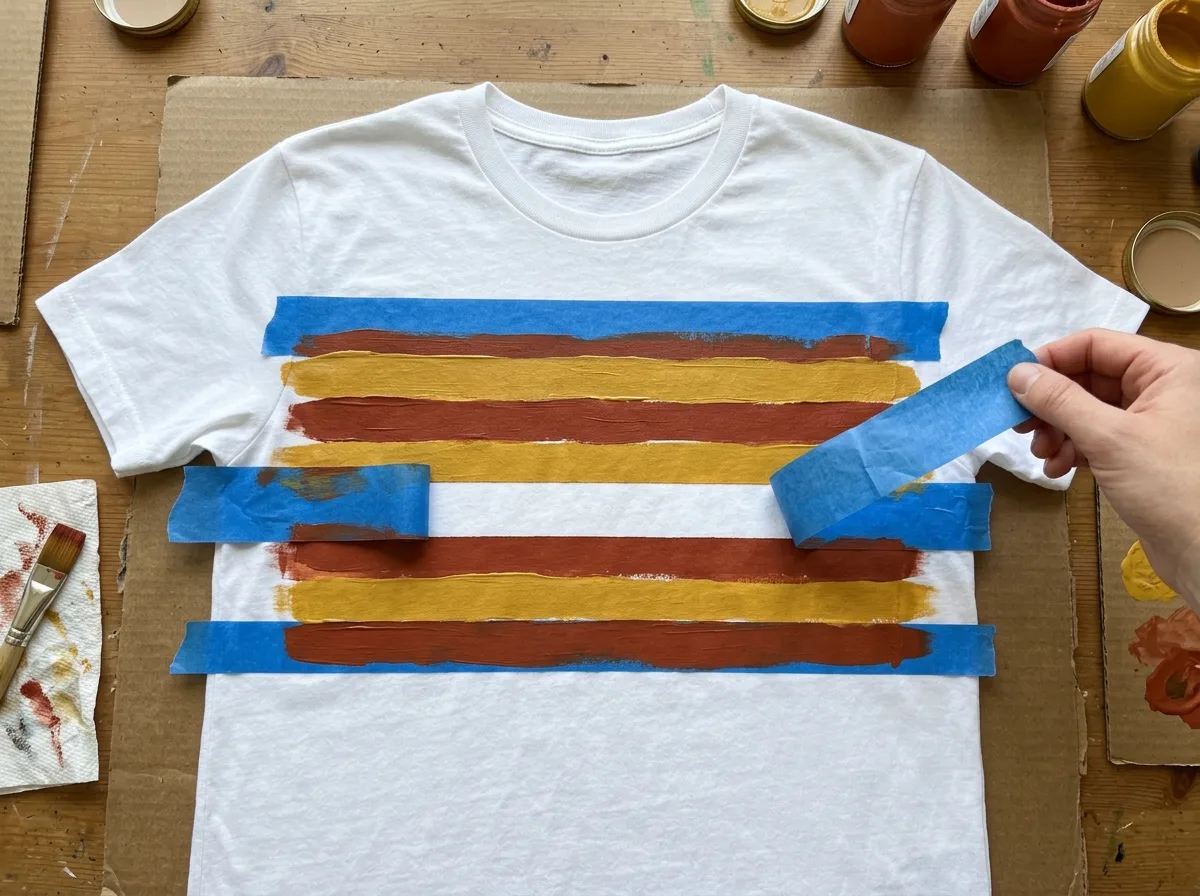
How to do it: Press strips of painter’s tape firmly along the edges, rubbing them down with a fingernail. Paint between the strips with thin coats. Peel the tape while the paint is still slightly damp for the cleanest line.
4. Color Blocking
Big flat shapes in two or three bold colors look like they came off a designer rack.
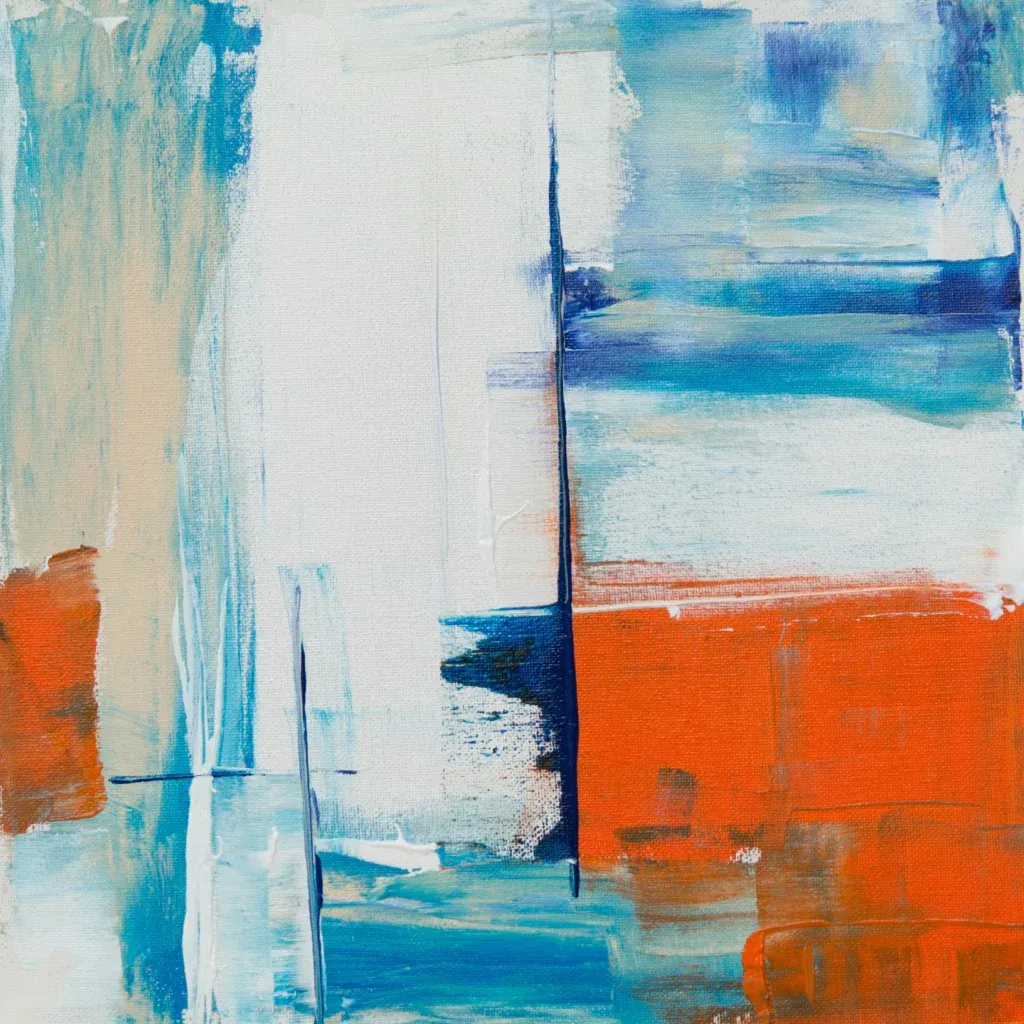
How to do it: Tape off geometric sections across the fabric. Fill each section with one flat color, such as terracotta, mustard or cobalt. Remove the tape before the paint fully dries, then add a second shape that slightly overlaps the first.
5. Leaf and Flower Stamping
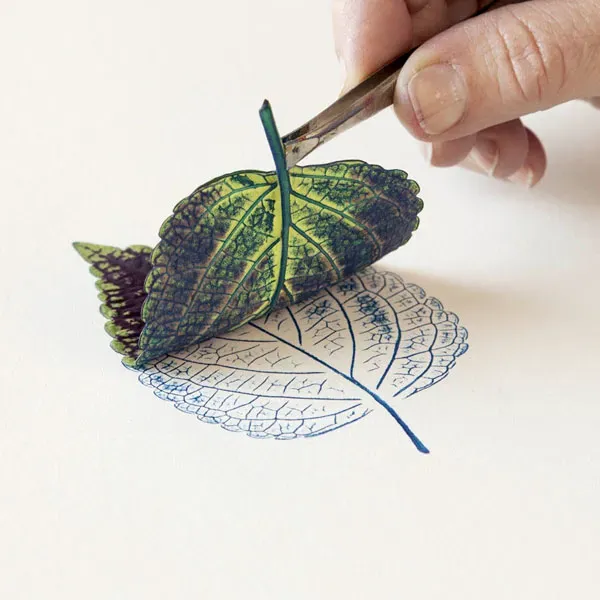
Nature does the design for you, and no two prints come out the same. It’s also a great one to do with kids.
How to do it: Pick flat leaves with visible veins (fern, maple and eucalyptus work well). Brush a thin layer of paint on the vein side. Press it onto the fabric, cover with paper towel, roll over it firmly, then peel away.
Simple Designs With a Little Brushwork
Once you feel comfortable holding a brush, these ideas add some freehand painting while staying very beginner-friendly.
6. Minimalist Botanicals
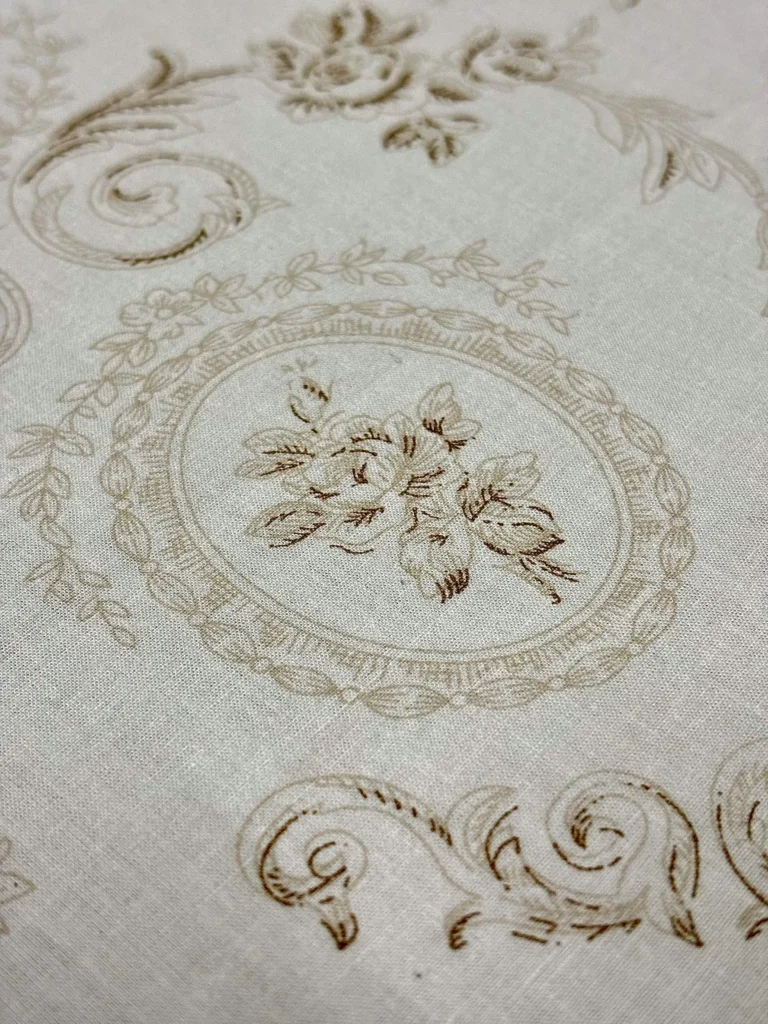
Thin stems, a few leaves and tiny flowers in earthy tones look beautiful on white linen or a natural cotton tote.
How to do it: Sketch thin stems lightly with chalk. Paint with a small flat brush in olive, sage or terracotta. Keep strokes loose. Slightly imperfect lines look more natural than careful ones.
7. Bold Geometric Shapes
Triangles, hexagons and chevrons in strong colors make a plain cushion look modern.
How to do it: Draw the grid with a ruler and chalk, or tape the shapes. Fill shapes in a limited palette of two or three colors. Outline with a fine liner brush once dry for extra crispness.

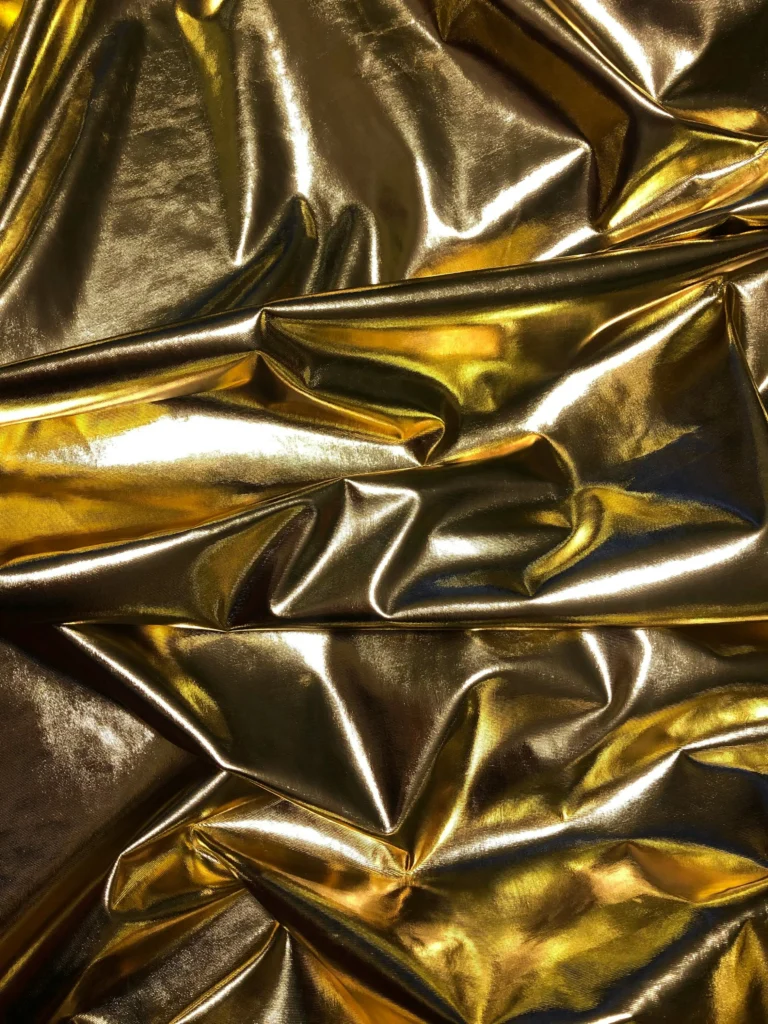
8. Gold Accent Details
Metallic gold makes basic items look expensive. Even a scatter of dots or one crescent moon changes everything.
How to do it: Use metallic fabric paint on dark fabric, where it shows best. Use a small round brush for dots or a flat brush for loose strokes. Keep it sparse. A little gold looks luxe; a lot looks costume.
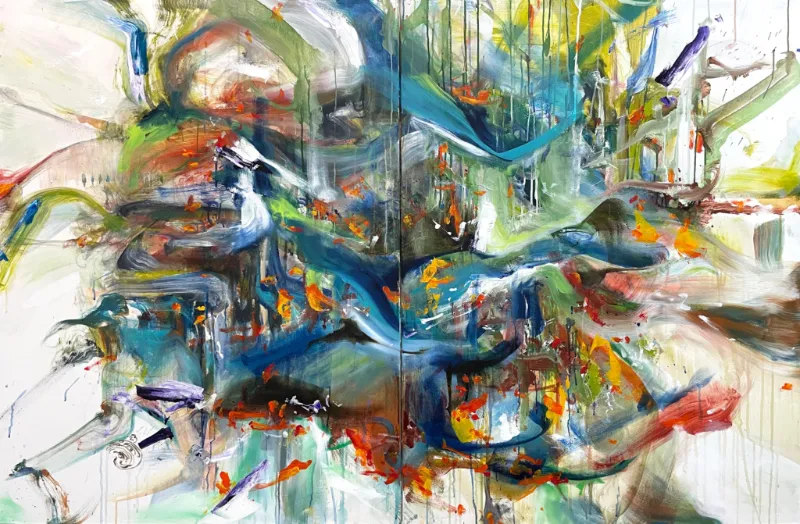
9. Abstract Splatter
No rules, no drawing, just color. Splatter is the most relaxing technique on this list.
How to do it: Protect your work area well. Splatter travels. Thin the paint slightly, load a stiff brush and flick the bristles with your thumb. Build in layers, letting each color dry, so colors stay clean instead of muddy.
10. Monogram or Initials
Painted initials turn towels, napkins and totes into thoughtful personal gifts.
How to do it: Print the letters in a font you like and trace them with graphite or transfer paper. Outline with a fine liner brush, then fill. Add a tiny leaf or dot accent to finish.

11. Quote Lettering
A short word or phrase on a tote bag or sweatshirt is one of the most popular painted projects on Pinterest.
How to do it: Keep it short: one to four words. Sketch lightly in chalk, checking spacing before you paint. Use a fabric paint pen or liner brush for thin strokes, and thicken the downstrokes for a hand-lettered look.
Ideas for When You Are Ready for More
These last six take a little more patience or blending, but each one is very achievable with thin layers and some practice.
12. Ombre Fade
One color fading from dark to light looks elegant on scarves, skirts and bedding.
How to do it: Mist the fabric lightly with water. Start with full-strength paint at one edge. Add a little water or fabric medium to the paint as you move across, blending each band into the last while wet.

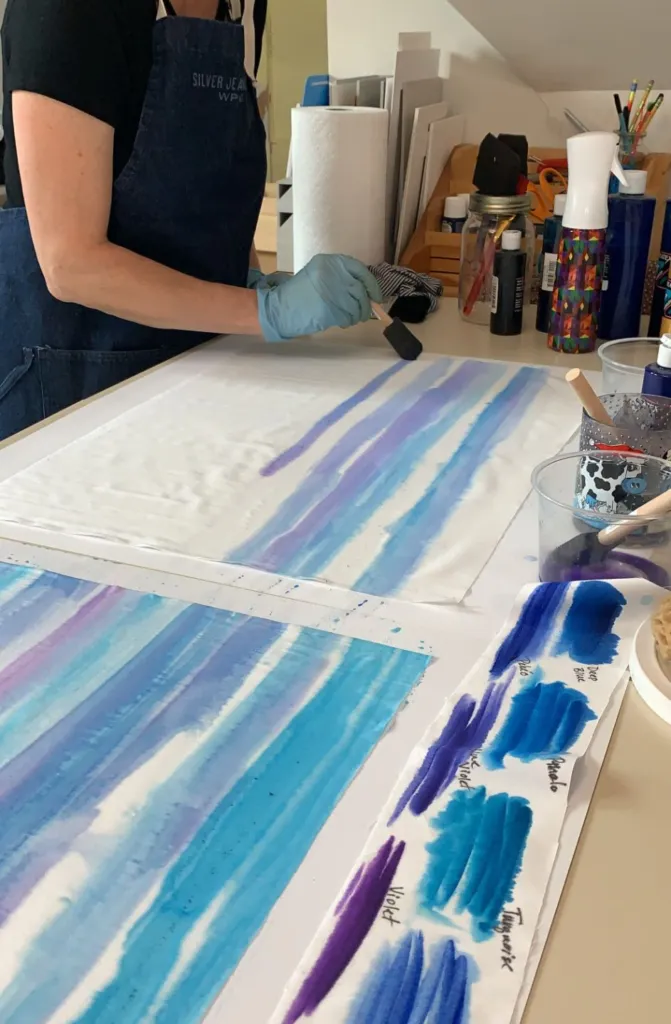
13. Watercolor Wash
Soft, bleeding colors give a dreamy look, and mistakes melt into the design.
How to do it: Dampen the fabric before you start. Drop in diluted paint with a round brush and let it spread on its own. Add a second color while the first is wet and let them blend.
14. Floral Collar Detail
Instead of covering the whole garment, paint tiny flowers along the collar or neckline. It looks boutique-made and takes about half an hour.
How to do it: Use your finest detail brush. Paint small five-petal flowers in blush, white or lavender. Tuck tiny leaves between them and keep everything small.
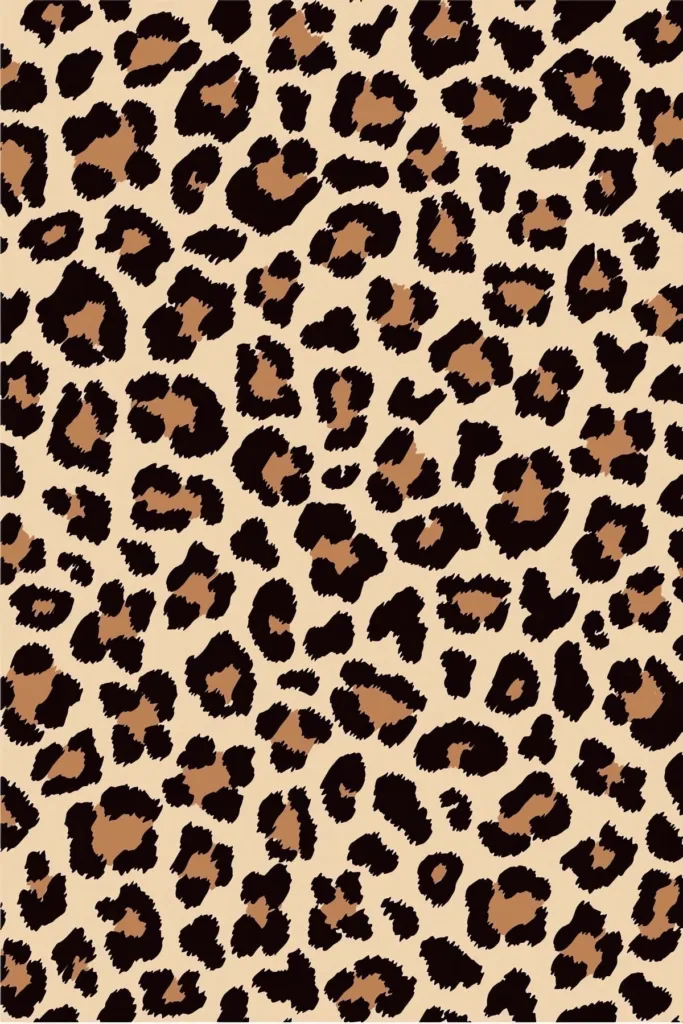
15. Animal Print
Leopard spots and zebra stripes are bold, fun and easier than they look, because they’re meant to be irregular.
How to do it: For leopard, dab uneven blobs in tan, then add broken C-shaped outlines in black around them. For zebra, paint wavy tapering stripes that fork occasionally. Vary the size of each mark so it doesn’t look stamped.
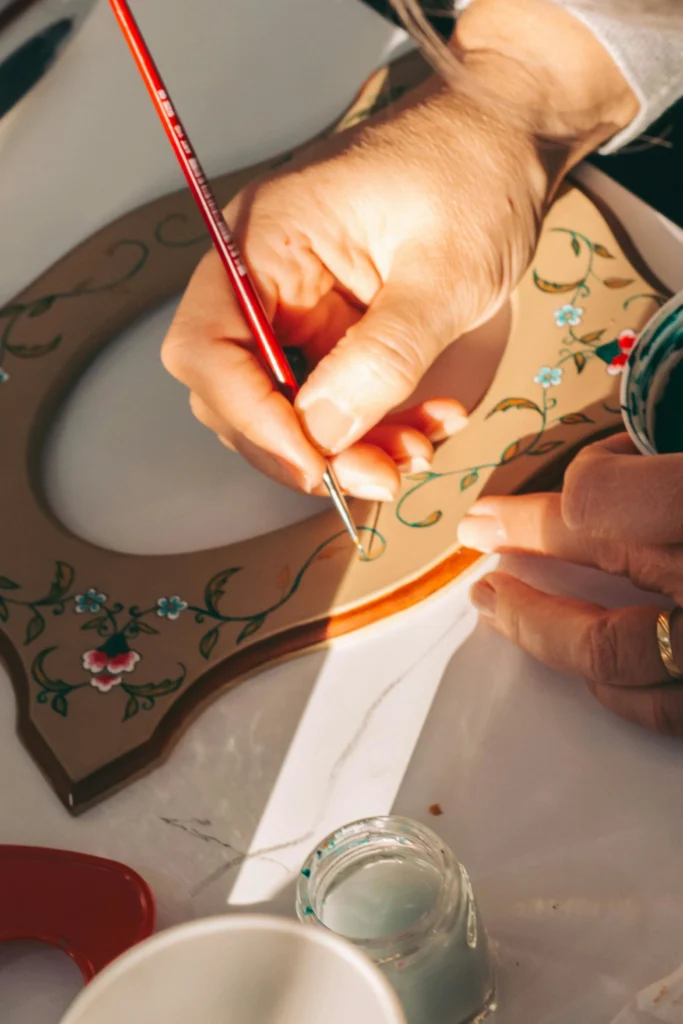
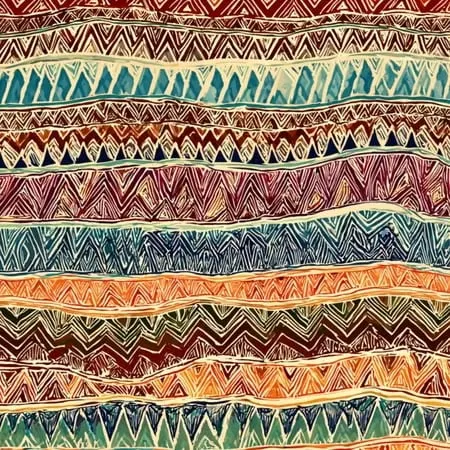
16. Folk and Block-Print Motifs
Repeated motifs, bold lines and strong contrast give throws and wall hangings real depth. Many textile traditions use this style, so it’s worth learning a little about the motifs you borrow.
How to do it: Carve a simple shape into a rubber eraser or potato to make a stamp. Roll a thin layer of paint onto it with a sponge. Stamp in a grid or border, alternating direction for a hand-printed feel.
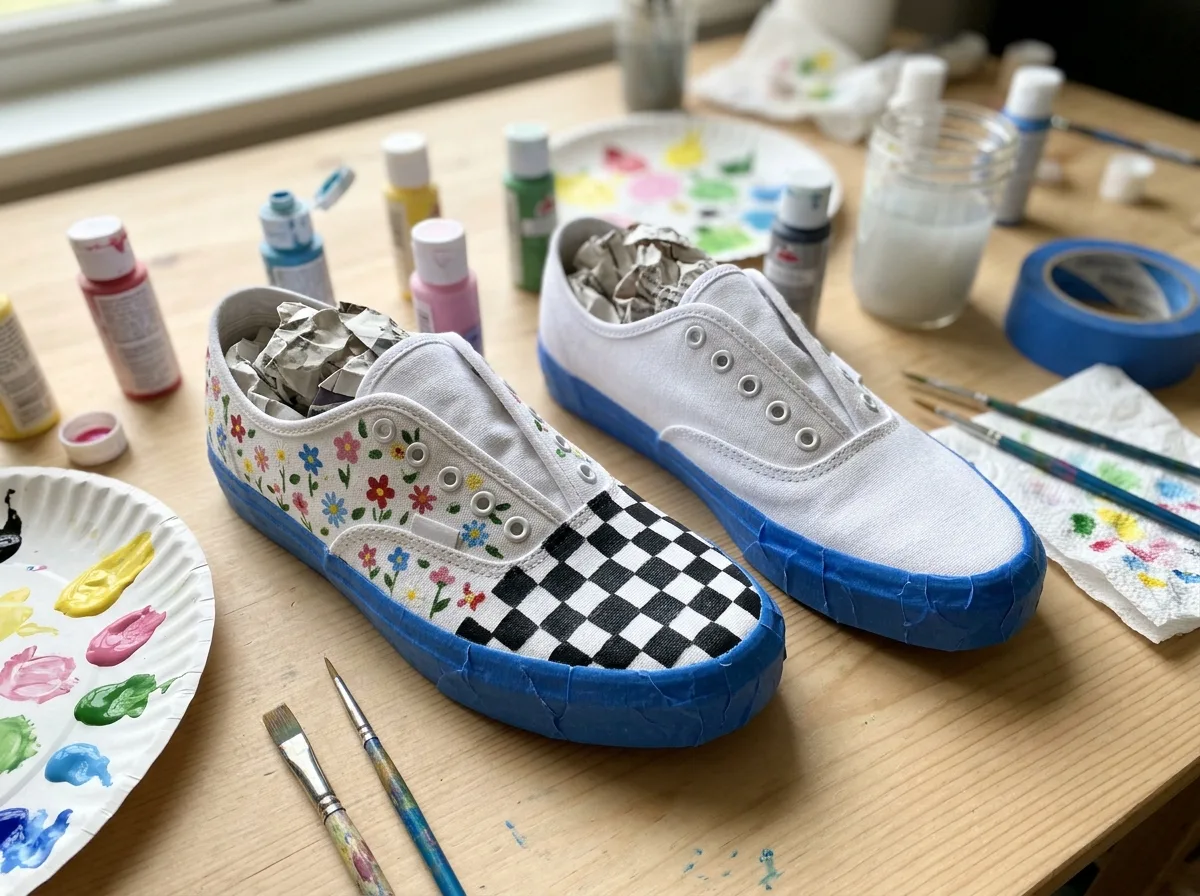
17. Painted Canvas Sneakers
White canvas sneakers are basically a wearable canvas. Small florals, checkerboards or splatter all work.
How to do it: Remove the laces and stuff the shoes with paper so the canvas is firm. Tape off the rubber soles. Paint thin layers with fabric paint, then heat-set with a hair dryer on the canvas only. (Painting leather shoes instead? Follow our acrylic paint on leather guide.)

Why Some Painted Fabric Looks Expensive (and Some Doesn’t)
A tight color palette. Pick two or three colors that go together and stop there. Negative space. Leave room around the design. Empty fabric looks intentional. Thin layers. Thick paint looks plasticky and cracks. Build color slowly. Heat-setting. It’s what keeps the design looking new after washing.
Make Your Design Last
Whatever idea you choose, the finishing steps are the same: let the paint dry fully, heat-set it with an iron and a pressing cloth, then wait before the first wash. Our guide on how long fabric paint takes to dry covers timing, and the full process is in how to use fabric paint on clothes.
Frequently Asked Questions
What is the easiest fabric painting idea for beginners?
Polka dots, stencils and painter’s-tape stripes are the easiest because they need no drawing skill and are very forgiving.
What fabric is best for painting?
Pre-washed 100% cotton or a cotton blend with high cotton content. It absorbs paint evenly and handles heat-setting.
Can I use acrylic paint for these ideas?
Yes, if you mix it with fabric medium so it stays flexible. Plain acrylic tends to stiffen and crack on fabric.
Do I need to heat-set fabric paint?
Most fabric paints and any acrylic mixed with fabric medium need heat-setting to become washable. Always check your paint’s label.
What can I paint besides t-shirts?
Tote bags, pillowcases, tea towels, aprons, denim jackets, jeans, canvas sneakers, scarves and table linens all work well.
The Bottom Line
Start with one easy idea, like dots or a stencil, on something you don’t mind experimenting with. Once you’ve heat-set your first piece and seen it survive the wash, the trickier ideas like ombre and lettering feel a lot less scary. Pick one tonight and see where it takes you.
Want designs that look store bought? Try these 7 fabric painting ideas that look expensive.
Pingback: Crochet for Beginners: Complete Starter Guide (2026)