For exactly one morning, my painted sneakers looked perfect. By lunchtime, fine lines were spreading across the paint like cracks in dry earth, right along the spot where my foot bent with every step. The mistake wasn’t in the painting at all. It happened three steps earlier, in a part of the process almost every beginner skips without realizing it matters: treating leather like canvas, when leather bends all day and canvas never does. Once I fixed that one thing, my next pair of painted shoes held up for two years, and this guide is the exact process behind it.
Quick Answer: Yes, acrylic paint works on leather, but only when mixed with a fabric medium for flexibility and finished with a leather sealant. Let it cure 24 to 48 hours before wearing or handling the item. Done this way, a design typically lasts 1 to 2 years of regular use. For a deeper look at drying and curing times across different paint types, see our guide on how long fabric paint takes to dry.
Leather Isn’t One Material
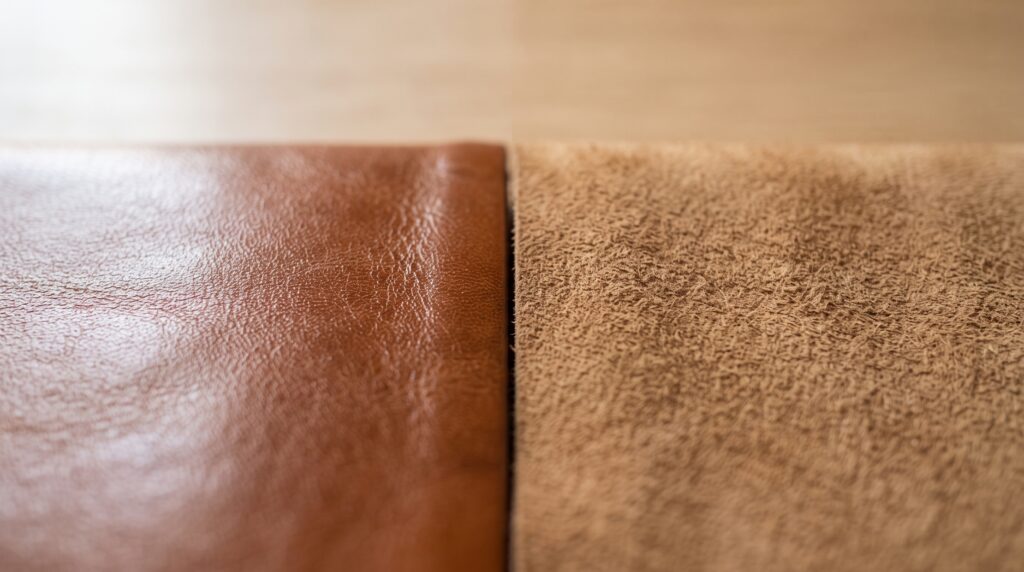
Before you open a single bottle of paint, look closely at what you’re actually painting on, because it changes everything downstream. This is the same principle we cover in our acrylic paint on wood guide: the surface always decides the method, not the other way around.
Smooth, Finished Leather
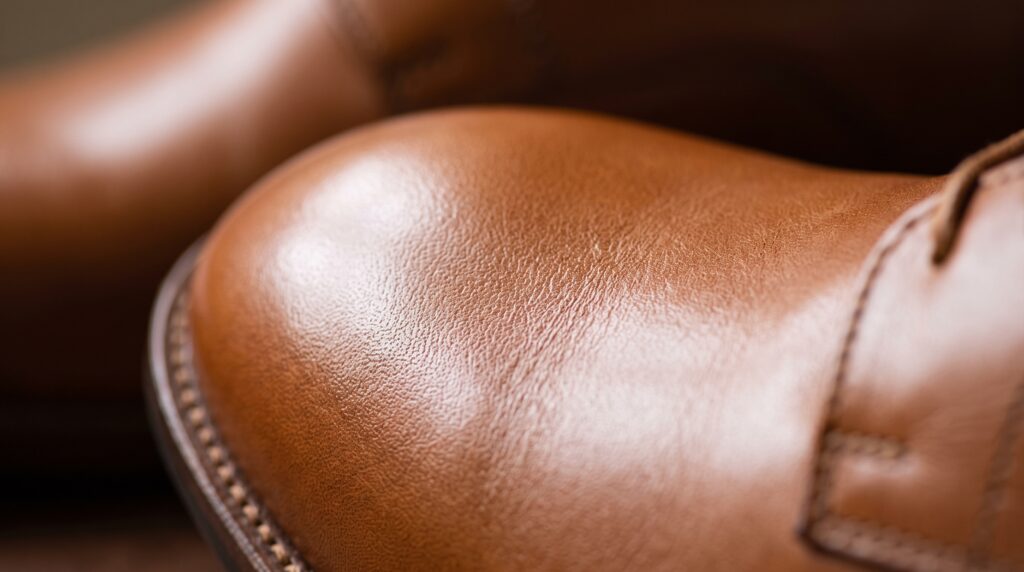
Most sneakers, handbags, and jackets are made from finished leather with a factory-applied coating that gives it a slight shine. That coating is your first obstacle. It’s specifically designed to repel things, paint included, so it has to come off before anything else can happen.
Suede and Nubuck
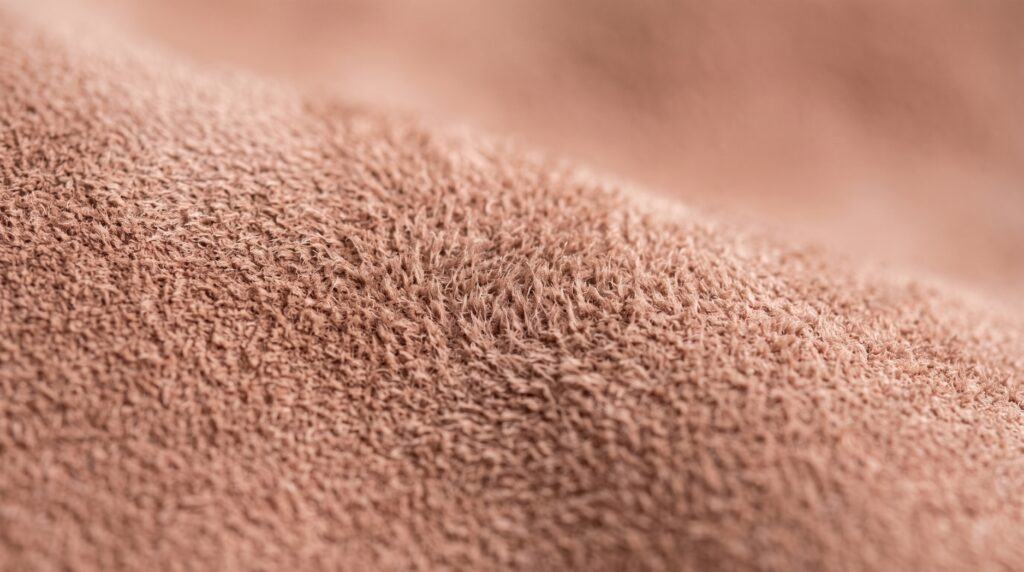
These have a soft, brushed texture instead of a smooth surface, and acrylic paint tends to sit on top of that texture unevenly, flattening the nap and stiffening the material. If you’re working with suede, do yourself a favor and use a proper leather dye instead. Acrylic paint on suede rarely ends well.
Bonded Leather
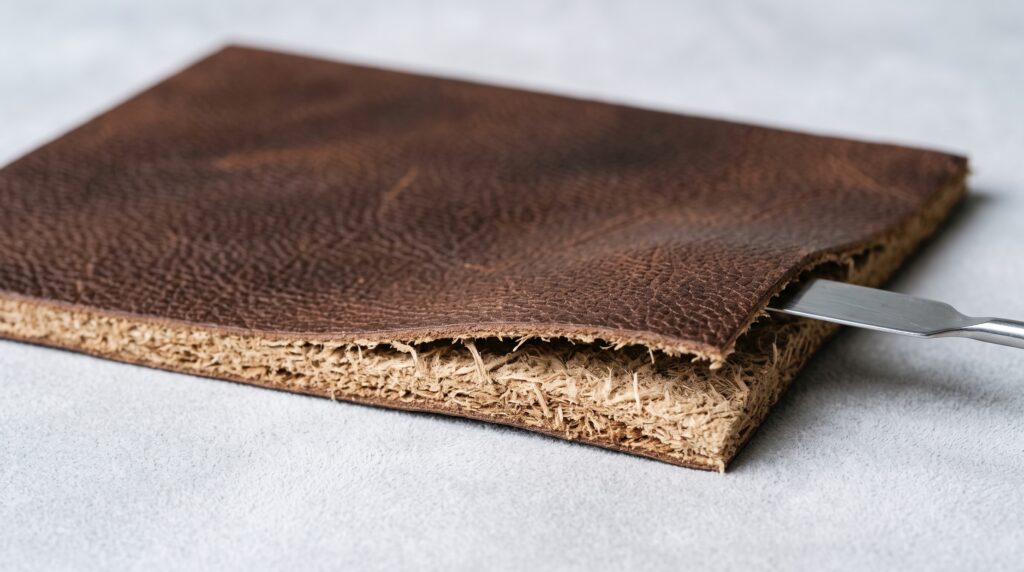
This is made from scraps of real leather glued onto a backing. It often rejects paint outright or peels within days, no matter how well you prep it. If you’re not sure what you’re working with, check the tag or the manufacturer’s listing before you commit to a design.
Acrylic Paint vs. Leather Dye vs. Leather Paint
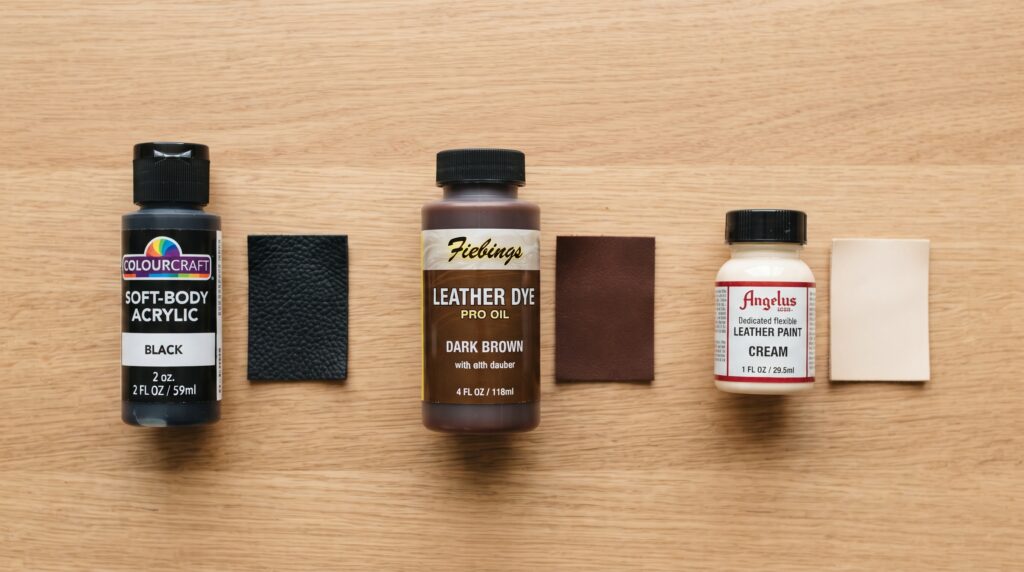
Not sure which product is right for your project? Here’s how the three main options compare.
| Acrylic Paint + Fabric Medium | Leather Dye | Dedicated Leather Paint | |
|---|---|---|---|
| Best for | Smooth, finished leather | Suede, nubuck, full re-coloring | Smooth leather, high-flex items |
| Flexibility | Good, once medium is mixed in | Excellent, soaks into fiber | Excellent, built in |
| Coverage | Opaque, sits on surface | Semi-transparent, changes base color | Opaque, sits on surface |
| Cost | Low, most people already own it | Medium | Medium to high |
| Beginner-friendly | Yes | Requires more practice | Yes |
| Best for suede? | No | Yes | No |
If you already have acrylic paint at home and you’re working with smooth leather, mixing in a fabric medium is the most accessible route. If you’re recoloring an entire suede item, skip acrylic entirely and reach for a dye.
What You’ll Actually Need
- Soft-body acrylic paint (or a leather-specific acrylic, if you’d rather not mix your own)
- Rubbing alcohol or a leather deglazer
- Fine-grit sandpaper, 220 to 400 grit, for smooth leather only
- A couple of soft synthetic-bristle brushes
- Fabric medium or a dedicated leather paint additive
- Painter’s tape, if you’re doing clean color blocks
- An acrylic leather sealant
- A ventilated space and something to protect your table
How to Paint Leather Step by Step
Step 1: Strip the Factory Finish
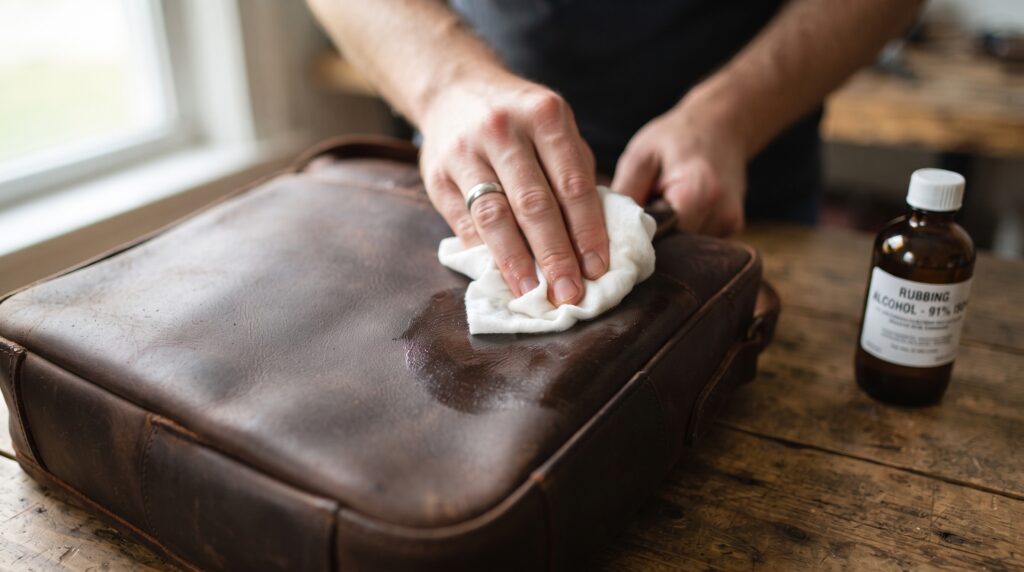
Wipe the entire surface down with rubbing alcohol or a leather deglazer on a clean cloth. This pulls off the factory coating along with any oils from handling or dirt that’s built up: all the invisible stuff sitting between your paint and the actual leather. Go over it two or three times with a fresh section of cloth each pass. You’ll know you’re finished when the cloth stops picking up any color or residue.
Step 2: Sand It Lightly (Smooth Leather Only)
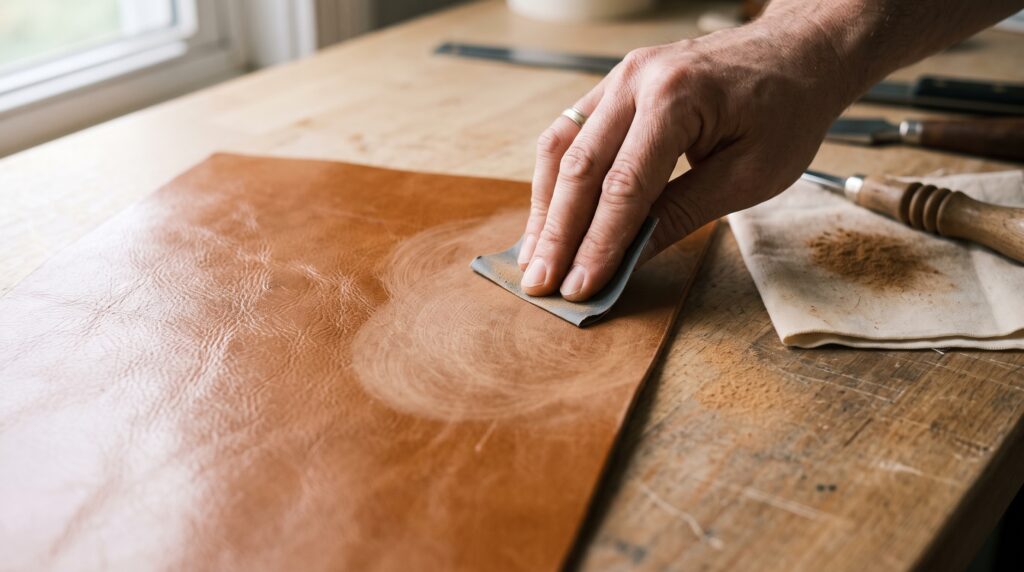
A gentle pass with fine sandpaper roughs up the surface just enough for paint to physically grip it, the same idea as sanding wood before staining it. You’re not trying to strip material, just dull the shine slightly. Wipe away the dust with a barely damp cloth afterward. Skip this step completely if you’re working with suede or anything already textured.
Step 3: Mix In a Fabric Medium
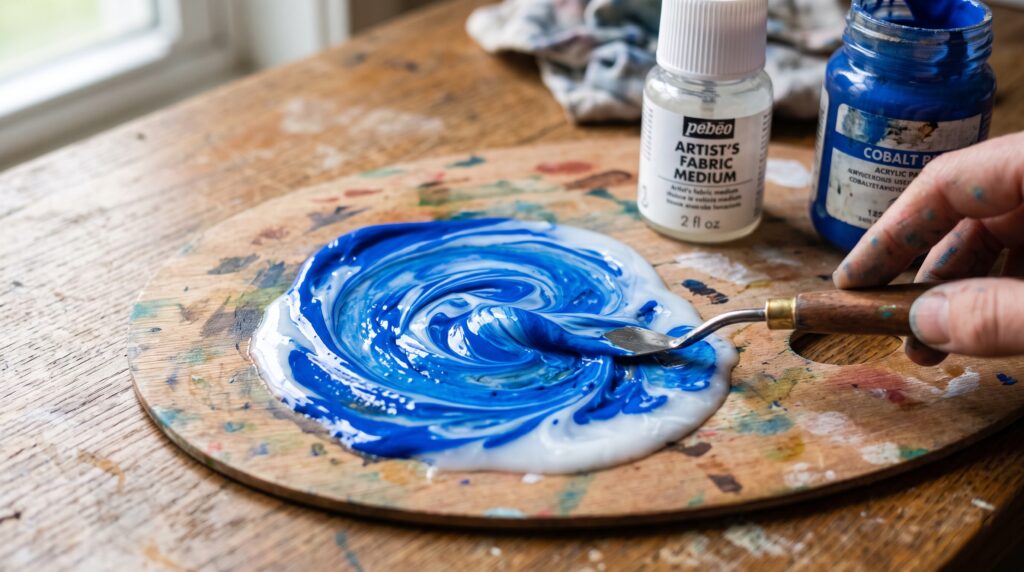
This is the step that actually determines whether your design survives past the first month. Straight acrylic dries into a stiff, rigid film. Leather bends every time you walk, sit, or reach for something, and rigid paint on flexible leather cracks. A rough starting ratio is one part fabric medium to two parts paint, though it varies by brand, so check the label.
Step 4: Test on a Hidden Spot
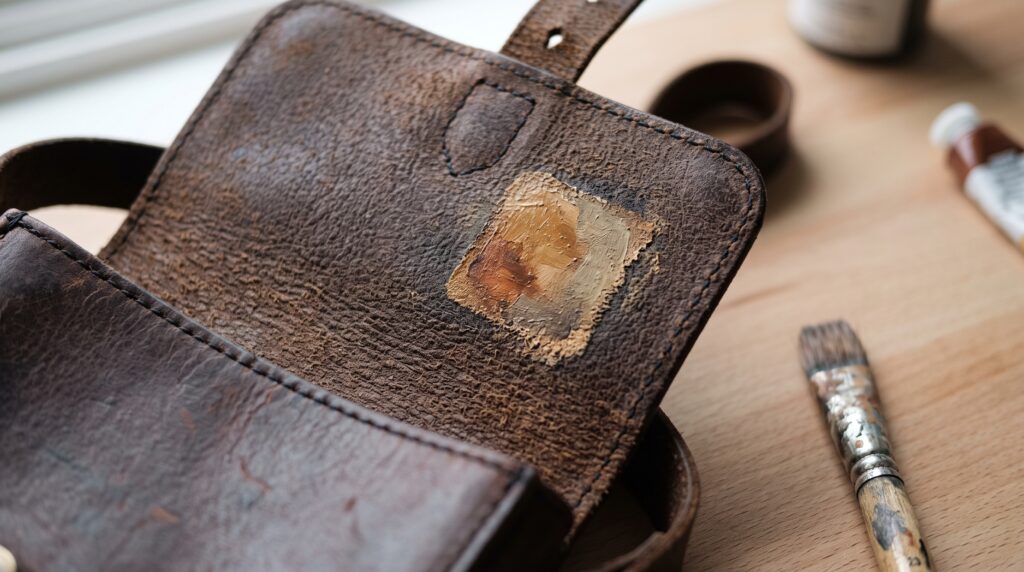
Before committing to your full design, test the mixture somewhere hidden: inside a bag flap, under a shoe tongue, the inner seam of a jacket. Let it dry, flex it a few times, and see how it holds. Five minutes of testing can save an entire project.
Step 5: Apply Thin, Even Coats
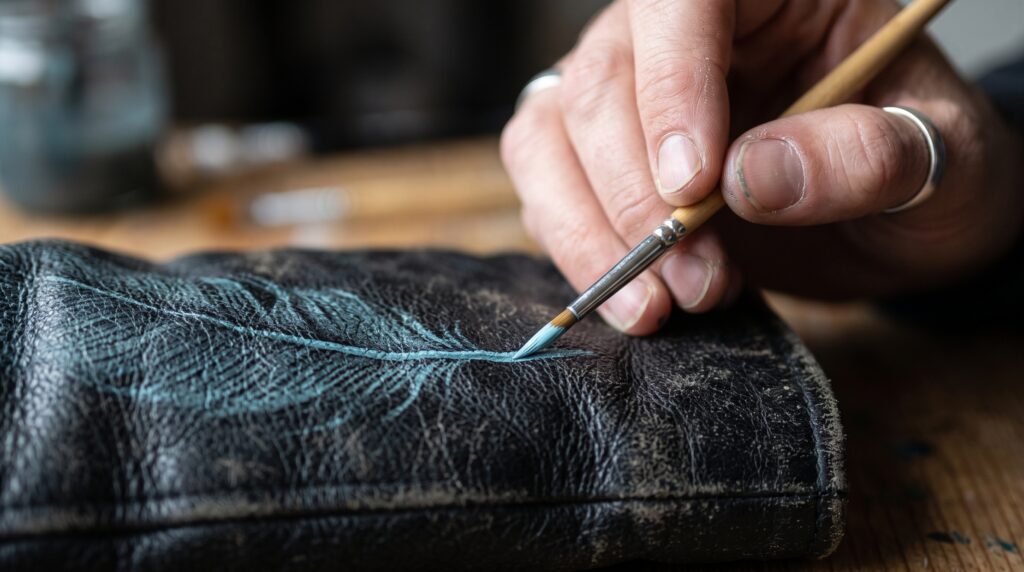
Apply thin coats rather than one heavy layer. A thick layer dries on the surface while staying wet underneath, which is exactly how you end up with peeling later. Give each layer 20 to 30 minutes before adding the next. Most designs need three or four thin passes to reach solid, even color.
Step 6: Let It Fully Cure
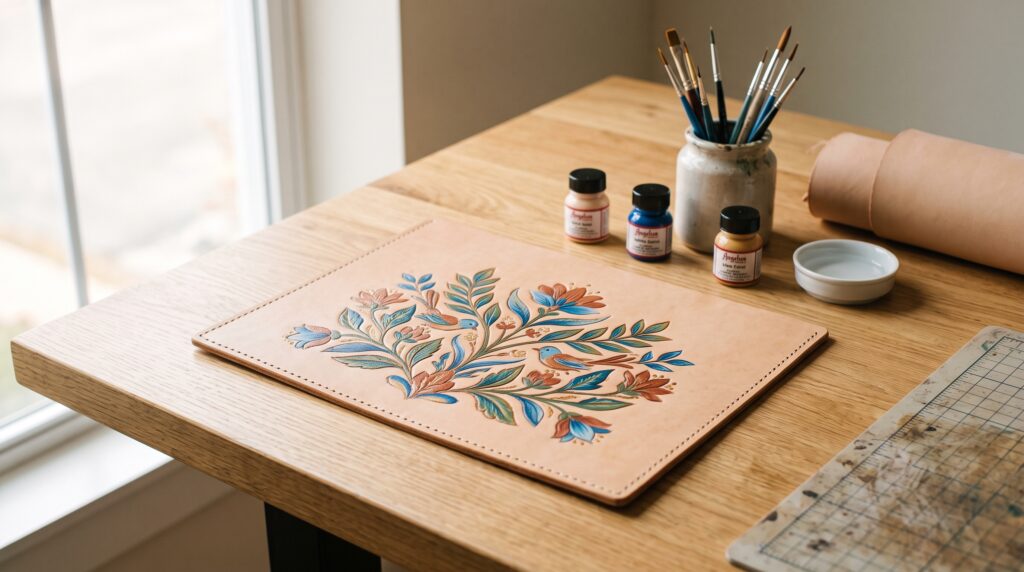
Acrylic paint feels dry to the touch within an hour. That’s not the same as cured. Full curing, where the paint reaches its final flexibility and hardness, takes 24 to 48 hours. Handle your piece as little as possible during that window.
Step 7: Seal the Design
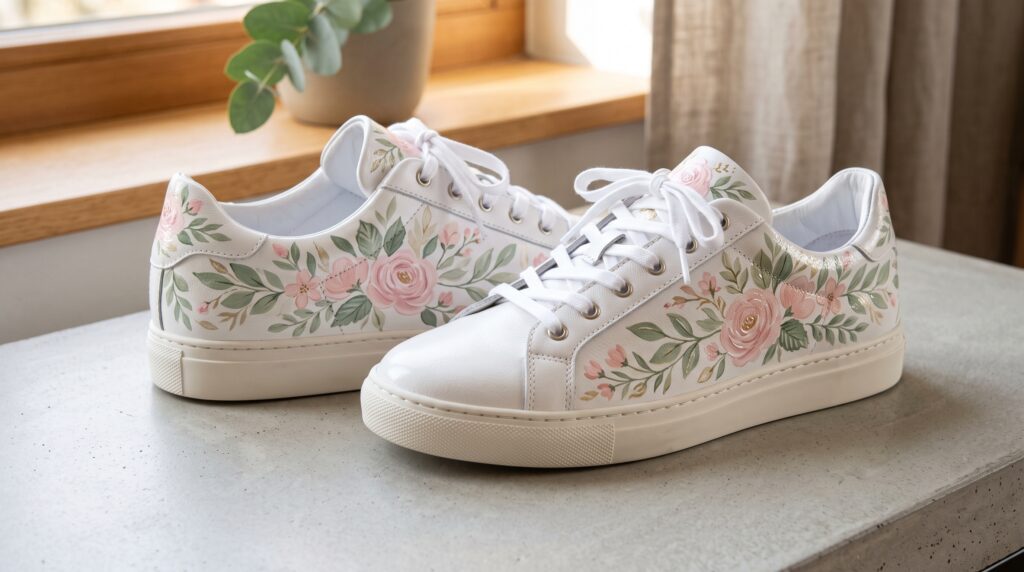
Once the paint has fully cured, apply an acrylic leather sealant in two thin coats, letting each dry according to the product’s instructions. The sealant locks your color in, protects it from scuffing, and adds a layer of water resistance. This step isn’t optional if the item gets regular handling. I learned that the hard way too. The first design I didn’t seal properly looked worn out within three weeks of normal wear.
Notes for Specific Projects
Painting Leather Shoes
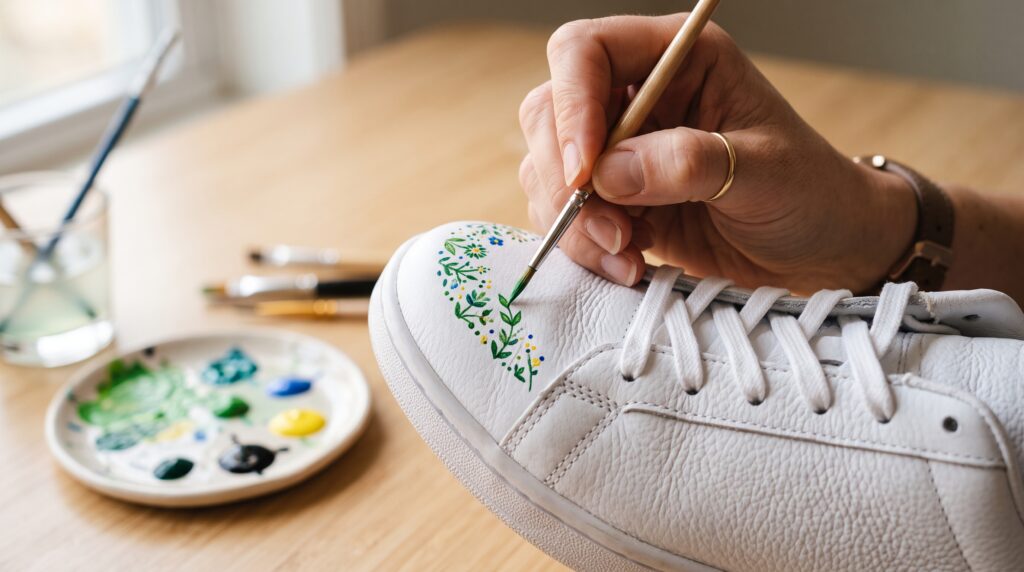
Shoes take the most abuse, especially at the toe box and the crease where your foot bends with every step. Go a little heavier on the fabric medium in those specific spots, and avoid painting directly over the deepest flex line at the widest part of the shoe.
Painting Leather Bags
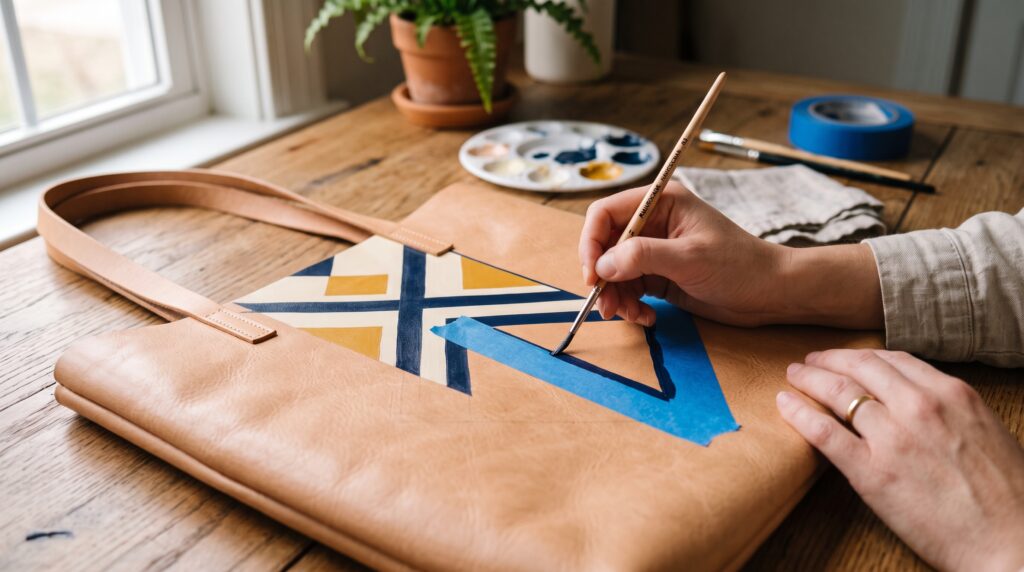
Bags are far more forgiving since flat panels don’t flex much. If this is your first time painting leather, start here. It’s a much gentler learning curve than shoes, and mistakes are easier to correct before sealing.
Painting Leather Jackets
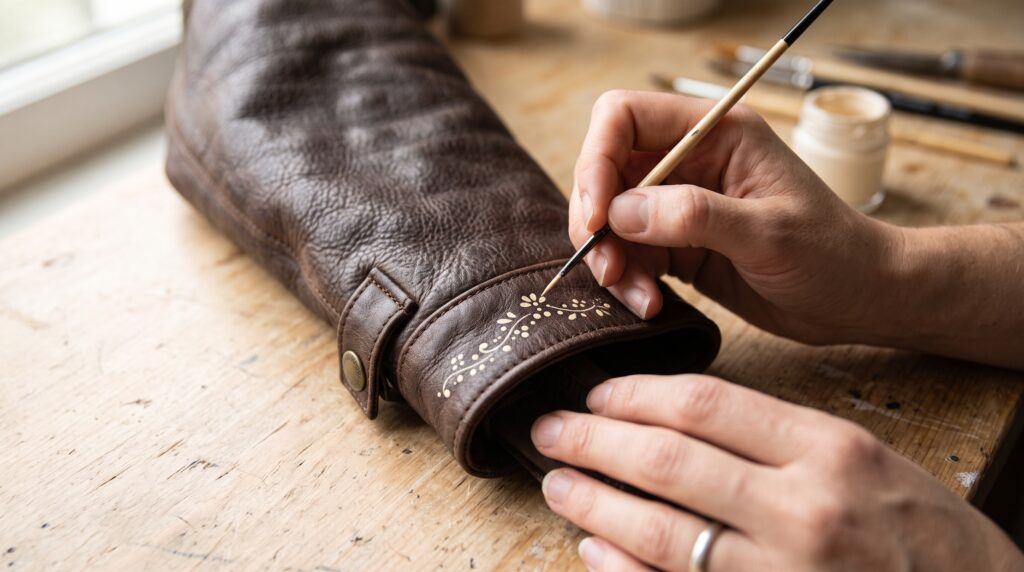
Jackets flex constantly at the elbows and shoulders. Where you can, design around those high-stress points instead of painting directly through them. Collars and cuffs also see heavy daily friction, so plan for extra sealant coverage there.
Mistakes That Undo All That Work
- Painting over a surface that isn’t truly clean, since oils and factory residue block adhesion no matter how many coats you add
- Skipping the fabric medium, still the number one reason painted leather cracks
- Rushing straight from “dry to the touch” into wearing or using the item
- Skipping the sealant on anything that gets handled regularly
- Treating suede the same way you’d treat smooth leather
Keeping It Looking Good Afterward
Spot clean only. Never soak or machine wash painted leather. Keep it out of direct sun for long stretches, since UV exposure fades acrylic pigment over time. On high-wear pieces like shoes, a fresh light coat of sealant every 6 to 12 months keeps the design looking sharp well past year one. If you want a refresher on brush care once you’re done, here’s how to clean your brushes properly.
Frequently Asked Questions
Does acrylic paint wash off leather? Once it’s properly sealed, it holds up fine against light moisture, but leather shouldn’t be soaked or machine washed regardless of what’s painted on it. Stick to spot cleaning with a barely damp cloth.
Can I use acrylic paint on suede? You can, but you probably shouldn’t. The textured nap makes it hard for paint to sit evenly, and it tends to flatten and stiffen the material. A dye made for suede will give you a much better result.
How long does a painted leather design actually last? Done right, with full prep, fabric medium mixed in, and a proper seal, you’re looking at one to two years of regular wear before it needs any touch-up. Skip any of those steps and that lifespan can drop to a few weeks.
Do I need special “leather paint,” or will regular acrylic work? Regular soft-body acrylic works fine as long as you mix in a fabric medium. Dedicated leather paints exist and often have flexibility built in already, but they’re not essential for a first project.
Can I fix a mistake after the paint dries? While it’s still wet, rubbing alcohol will lift it right off. Once it’s cured, removing it gets risky for the leather underneath, which is exactly why testing on a hidden spot first is worth the extra five minutes.
How long should I wait before wearing painted leather shoes? Wait at least 24 to 48 hours after the final sealant coat before wearing them regularly. This gives both the paint and sealant time to fully cure and bond to the leather.
For more on leather grades and how they’re classified, the Leather Working Group’s material standards is a solid reference. And if leather has you hooked, take a look at more fabric painting ideas for what to try next.