I spent almost $400 on my first sewing machine because a salesperson told me more stitches meant more value, and I believed her. It sat in a closet for three months because half the buttons made no sense and the automatic threading jammed constantly. The machine I actually learned on, and still use for most projects, cost less than a third of that and had a fraction of the features. The expensive one wasn’t better. It was just louder about being complicated.
Quick Answer: A good beginner sewing machine needs a straight stitch, a zigzag stitch, adjustable stitch length, and a free arm for sleeves and cuffs. Automatic threading, hundreds of decorative stitches, and touchscreen displays sound impressive but add cost without adding real value for someone learning the basics.
Why More Features Usually Means More Frustration
Sewing machine marketing leans hard on stitch count, as if 200 built-in stitches makes a machine better than one with 20. In practice, most sewists use single-digit stitch types for the vast majority of projects: straight stitch, zigzag, and maybe a buttonhole stitch. Every extra feature is one more thing that can confuse a beginner or, worse, one more thing that can break.
The machines that frustrate people most in their first few months aren’t underpowered ones. They’re overloaded ones, packed with settings a beginner has no context to understand yet. A dial with three options is far less intimidating than a menu with fifteen, even if the fifteen-option machine technically does more.
There’s a pattern worth noticing in return statistics at most sewing retailers: it’s rarely the basic machines that come back. It’s the feature-heavy ones, returned by beginners who felt overwhelmed within the first week and assumed the problem was their own skill level rather than a machine that was never designed with a first-timer in mind.
Mechanical vs. Computerised vs. Mini Sewing Machines
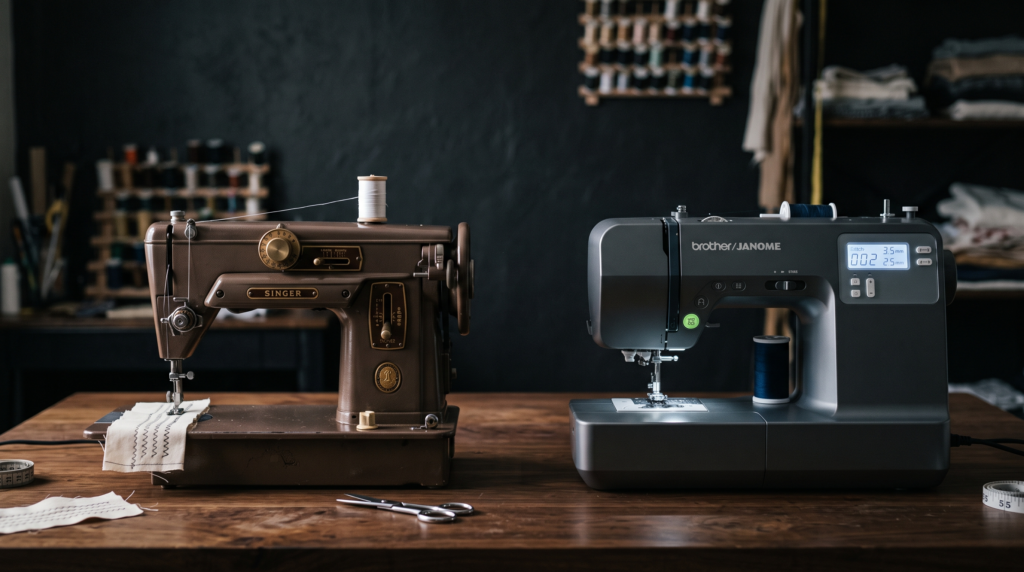
| Mechanical | Computerized | Mini/Portable | |
|---|---|---|---|
| Best for | True beginners, budget-conscious buyers | Intermediate sewists wanting more stitch options | Simple repairs, travel, kids |
| Learning curve | Low, dials and switches are intuitive | Medium, menus take getting used to | Very low, but limited capability |
| Durability | High, fewer electronic parts to fail | Medium, depends on build quality | Low, not built for regular use |
| Price range | Low to medium | Medium to high | Very low |
| Repairability | Easy, mechanics are straightforward | Harder, often needs a specialist | Rarely worth repairing |
For a genuine first machine, a mechanical model gives you the most control while you’re still learning what each setting actually does. Computerised machines make more sense once you already know which features you actually use.
What to Look For in a Beginner Sewing Machine
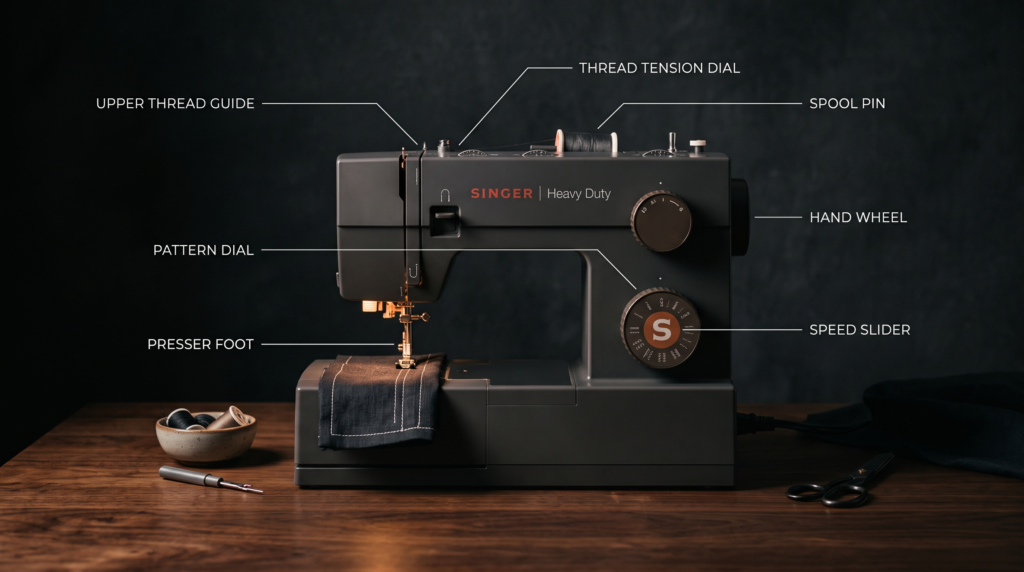
- Straight stitch and zigzag stitch, at minimum
- Adjustable stitch length and width
- A free arm (the narrow section for sewing sleeves, cuffs, and pant legs)
- A drop-in or front-loading bobbin, easier to manage than a top-loading one
- Manual (not automatic) threading, which is more reliable for beginners despite feeling old-fashioned
- Solid metal internal frame rather than an all-plastic body, for durability
Features You Can Safely Skip as a Beginner
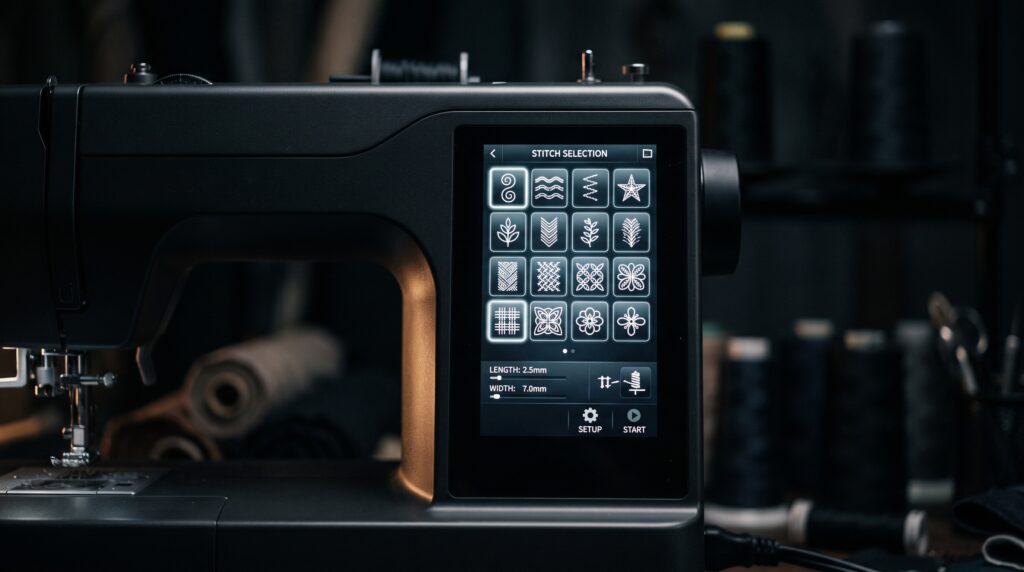
- Touchscreen displays, which add cost and one more thing to malfunction
- Automatic thread cutters, convenient but not essential to learning
- Hundreds of decorative stitches you’ll likely never use
- Wifi or app connectivity, a feature aimed at advanced quilters, not first-time sewists
- Extra-large embroidery hoops, unless embroidery specifically is your goal
How to Choose Your First Sewing Machine (Step by Step)
Step 1: Define What You’ll Actually Sew
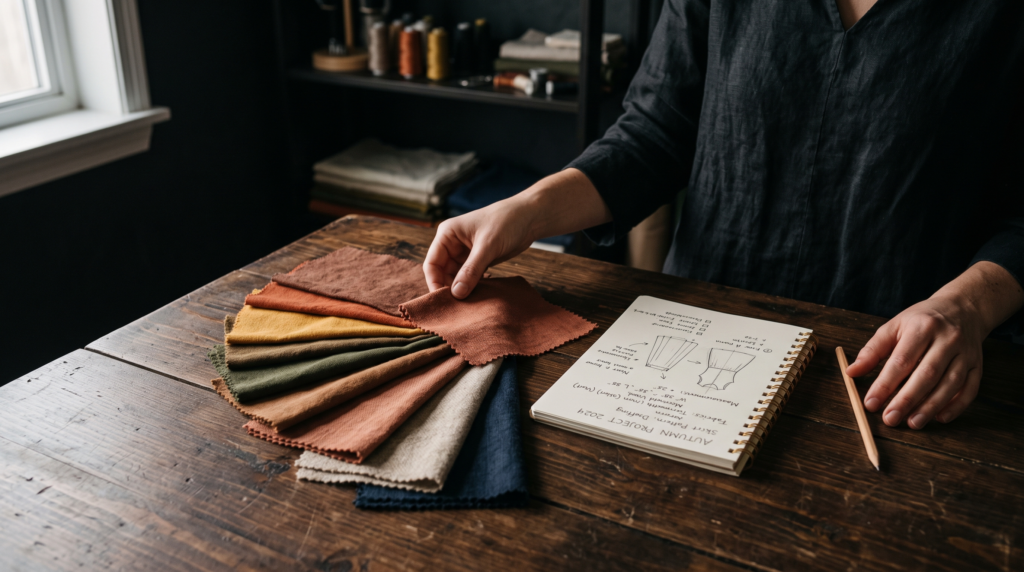
Clothing alterations, simple garments, and home decor projects need different things than quilting or heavy denim work. Be honest about your first few projects rather than buying for a hypothetical future skill level.
Step 2: Set a Realistic Budget
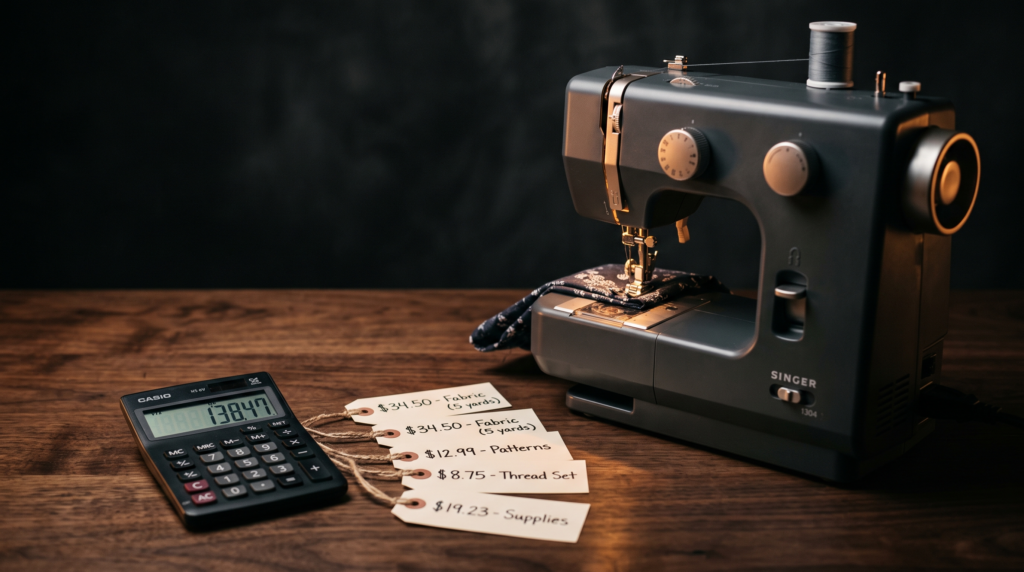
A solid beginner mechanical machine typically falls in a modest, accessible price range. Spending significantly more for your very first machine rarely translates into a better learning experience.
Step 3: Check for the Core Features
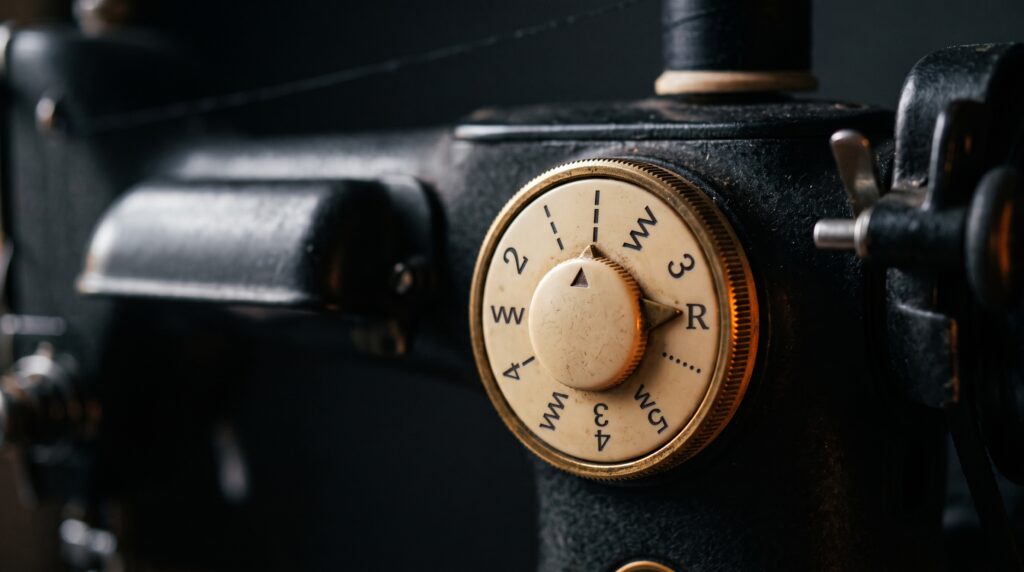
Confirm the machine has straight stitch, zigzag, adjustable length and width, and a free arm. If a machine is missing any of these, keep looking regardless of how many other features it advertises.
Step 4: Read Reviews From Actual Beginners, Not Just Star Ratings
A five-star average means little without context. Look specifically for reviews mentioning ease of threading, noise level, and how the machine handles after a few months of regular use, not just the first week out of the box.
Step 5: Test the Bobbin System If Possible
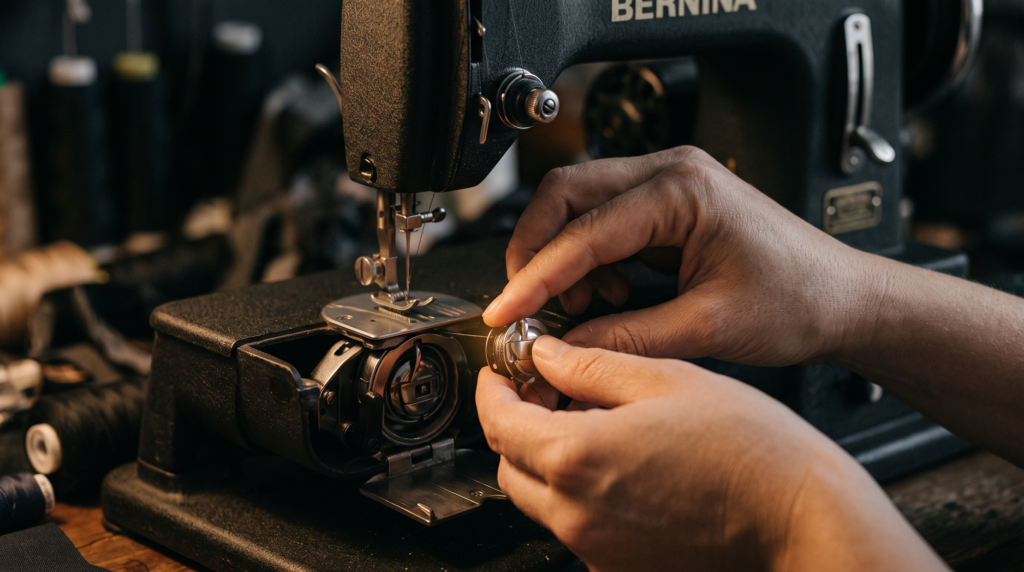
If you can see the machine in person, load a bobbin and unload it once. Front-loading and drop-in bobbins are far more beginner-friendly than top-loading systems, which are notorious for tension issues.
Step 6: Buy From a Retailer With a Real Return Policy
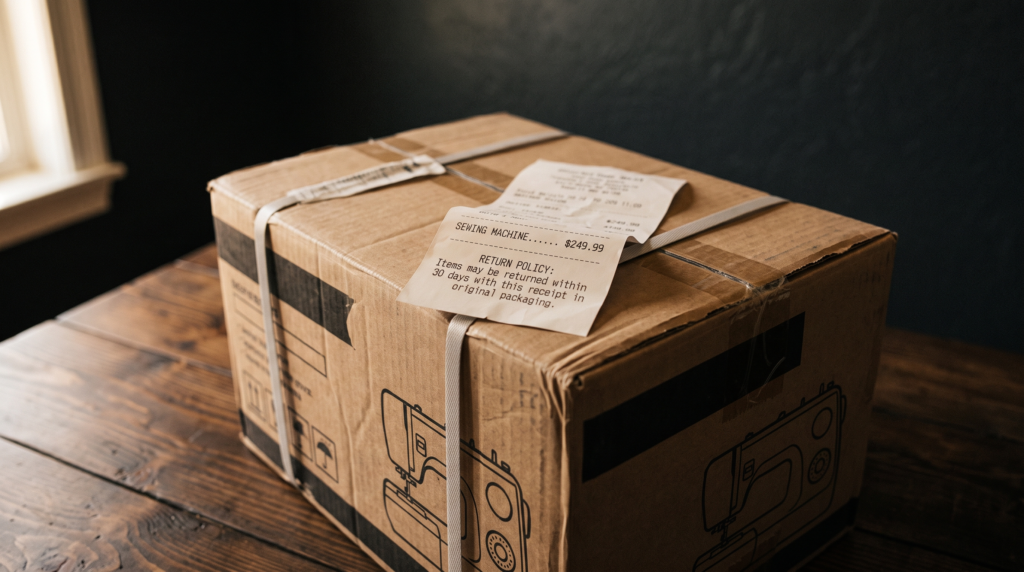
Sewing machines sometimes reveal quirks only after real use. A retailer with a fair return window protects you if the machine doesn’t suit your sewing style once you’ve actually tried it.
Accessories Worth Buying With Your First Machine
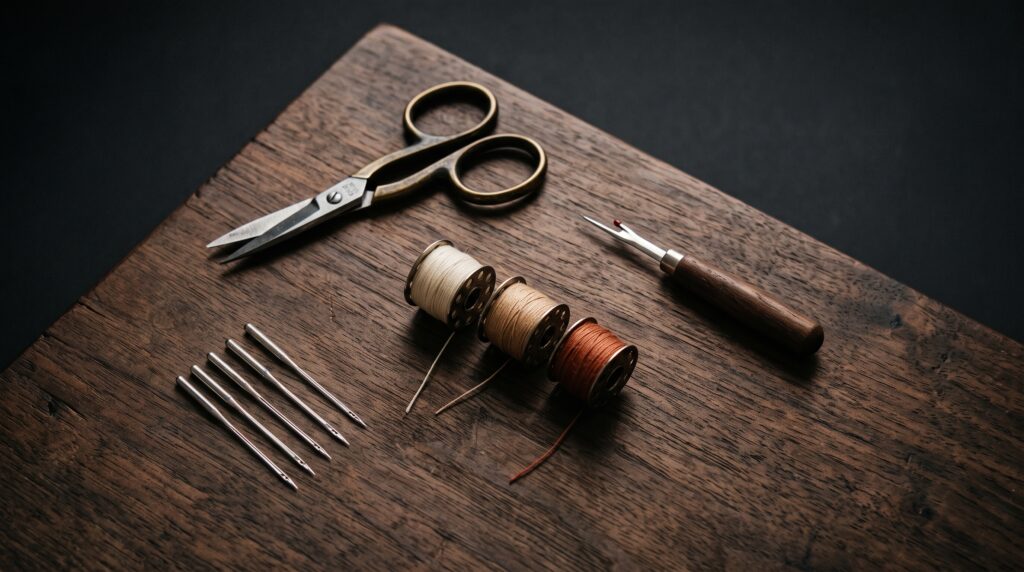
A few inexpensive extras make the first month noticeably smoother, even though none of them are strictly required on day one. A pack of universal sewing machine needles in a few sizes covers most fabric weights, since the single needle that comes with the machine won’t handle everything from lightweight cotton to heavier denim equally well.
Common Beginner Mistakes When Buying a Machine
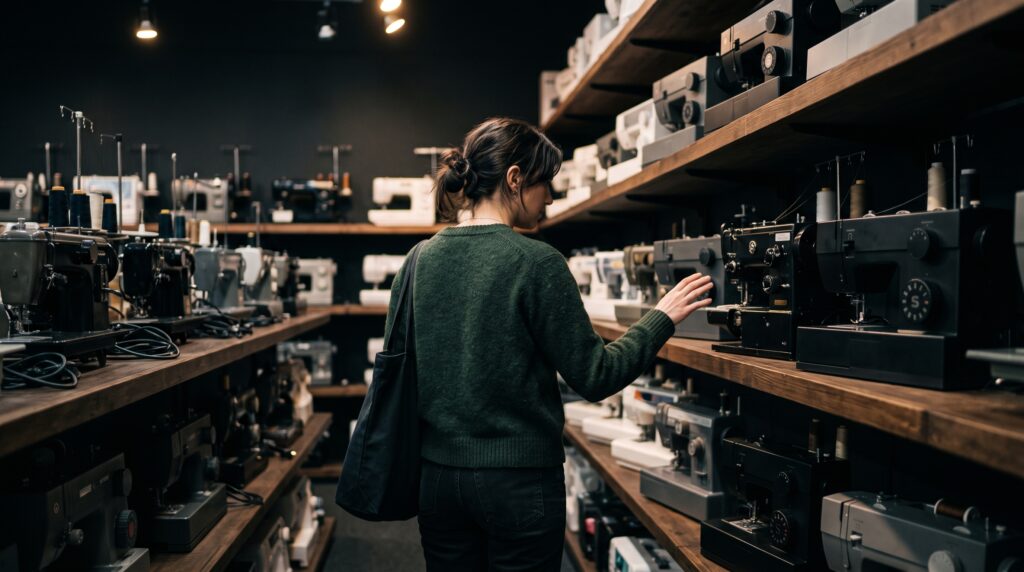
- Choosing based on stitch count instead of core functionality
- Buying the cheapest possible option, which often lacks even basic durability
- Ignoring the weight and portability if you’ll need to store or move the machine often
- Skipping the manual entirely instead of reading through it once before starting
- Assuming a more expensive machine will automatically be easier to use
Keeping a couple of extra bobbins on hand from day one also saves you from constantly rewinding thread mid-project, especially once you’re working with more than one color.
Signs You’ve Outgrown Your Beginner Machine
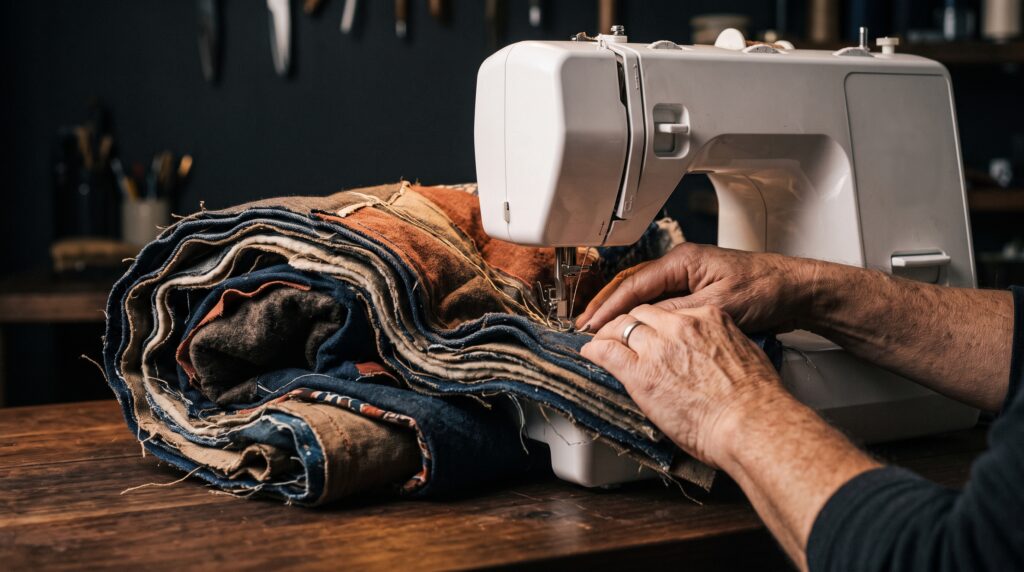
Most people don’t need to think about upgrading for a year or more, but a few signals are worth watching for. If you find yourself consistently wanting stitches your machine doesn’t offer, working with fabrics heavier than it’s rated for, or hitting a hard ceiling on sewing speed for larger projects, that’s a reasonable point to start researching a step up. Wanting to upgrade because a project genuinely demands it is a very different situation from wanting to upgrade because the marketing on a newer model looks appealing. The first is worth acting on. The second usually isn’t, at least not yet.
A seam ripper, while not glamorous, ends up being the single most-used tool in a beginner’s kit, and a decent one costs very little. It’s also worth picking up a simple sewing machine cover early on, since keeping dust out between uses matters more than it sounds like it would for the internal mechanism staying smooth over time.
Frequently Asked Questions
Do I need a computerized sewing machine as a beginner? No. A mechanical machine with straight stitch, zigzag, and adjustable settings covers nearly everything a beginner needs, and it’s generally easier to learn on than a computerized model.
How much should I spend on my first sewing machine? A capable beginner machine doesn’t require a large budget. Spending heavily on your first purchase rarely improves the learning experience, and it’s often better to upgrade later once you know what features you actually use.
What’s the most important feature for a beginner sewing machine? A reliable straight stitch and zigzag stitch with adjustable length and width. Everything beyond that is optional for someone just starting out.
Are secondhand sewing machines a good option for beginners? Often, yes, especially older mechanical models, which tend to be durable and simple to maintain. Just have it serviced once before starting if it hasn’t been used recently.
How long does it take to feel comfortable using a new sewing machine? Most beginners feel reasonably confident with the basics within a few practice sessions, usually within the first two weeks of regular use.
Should I buy a serger along with my first sewing machine? Not at first. A serger handles finished edges and stretch fabrics well, but it’s a specialized tool that makes far more sense once you already know the basics on a standard machine. Buying both at once usually means neither gets learned properly.
For hands-on practice once your machine is set up, our complete guide to hand and machine sewing walks through the fundamentals step by step.
For ongoing education and community support as you grow your skills, the American Sewing Guild is a well-established resource for sewists at every level.