My first sewing machine had 197 built-in stitches, a touchscreen, and a price tag that made me wince, and I used exactly four of those stitches in the first six months. Meanwhile a friend started the same year on a forty-dollar mechanical machine from a yard sale and finished twice as many projects as I did. The machine wasn’t the problem or the solution for either of us, it was that I’d bought features instead of function, and she’d bought exactly what a beginner actually needs. That gap between marketing and reality is where most new sewists waste their money, and it’s entirely avoidable once you know what to actually look for.
Quick Answer: A good beginner sewing machine needs a drop-in bobbin, automatic needle threader, adjustable speed control, and a small set of basic stitches, roughly straight, zigzag, and buttonhole. It does not need hundreds of stitch patterns, embroidery functions, or wireless connectivity. Expect to spend $100 to $250 for a mechanical or basic computerized model that will comfortably last several years.
Mechanical vs. Computerized: What Beginners Actually Need
The single biggest decision beginners face isn’t which brand to buy, it’s whether to go mechanical or computerized, and most guides make this more complicated than it needs to be.
Mechanical Machines
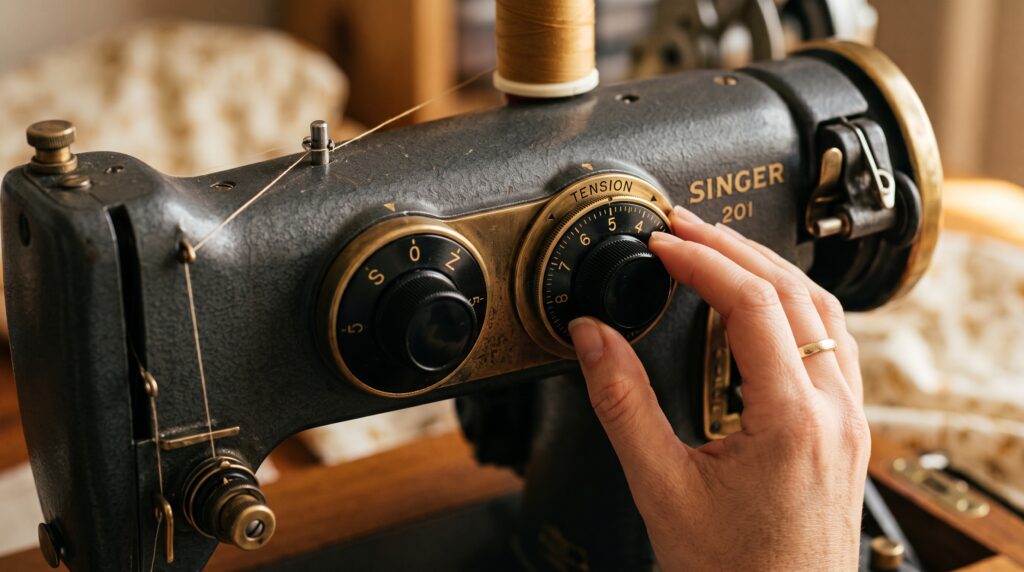
Mechanical machines use dials instead of digital screens, and everything is controlled manually. They’re simpler to repair, cheaper to buy, and harder to break in ways that require a technician. For someone who just wants to sew straight seams, hem pants, and handle basic repairs, a mechanical machine covers everything.
Computerized Machines
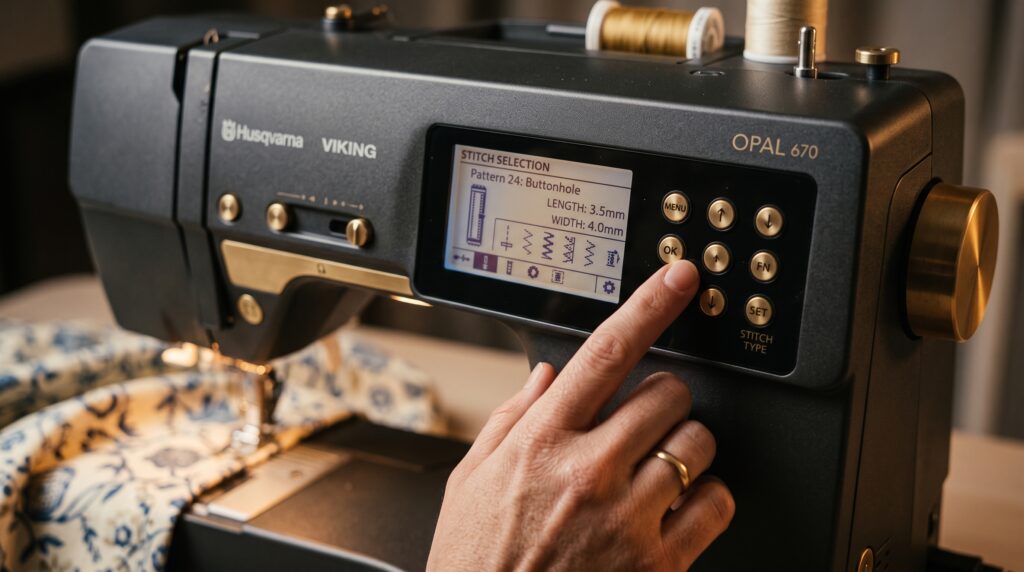
Computerized machines add digital stitch selection, sometimes automatic tension adjustment, and often a wider stitch library. They’re not inherently better for beginners, they’re better for people who already know they want decorative stitching or plan to grow into more complex projects fairly quickly.
Sewing Machine Type Comparison
| Mechanical | Basic Computerized | Advanced Computerized | |
|---|---|---|---|
| Price Range | $80 to $150 | $150 to $250 | $300+ |
| Best For | True beginners, simple repairs | Beginners who want more stitch variety | Intermediate to advanced sewists |
| Repair Difficulty | Easy, mechanical parts | Moderate | Requires specialist |
| Learning Curve | Lowest | Low to moderate | Higher |
| Stitch Count | 10 to 20 | 20 to 70 | 100+ |
For a genuinely first machine, staying in the mechanical or basic computerized range keeps both cost and complexity low while you’re still learning fundamentals like tension and seam allowance.
Features That Actually Matter
Drop-In Bobbin
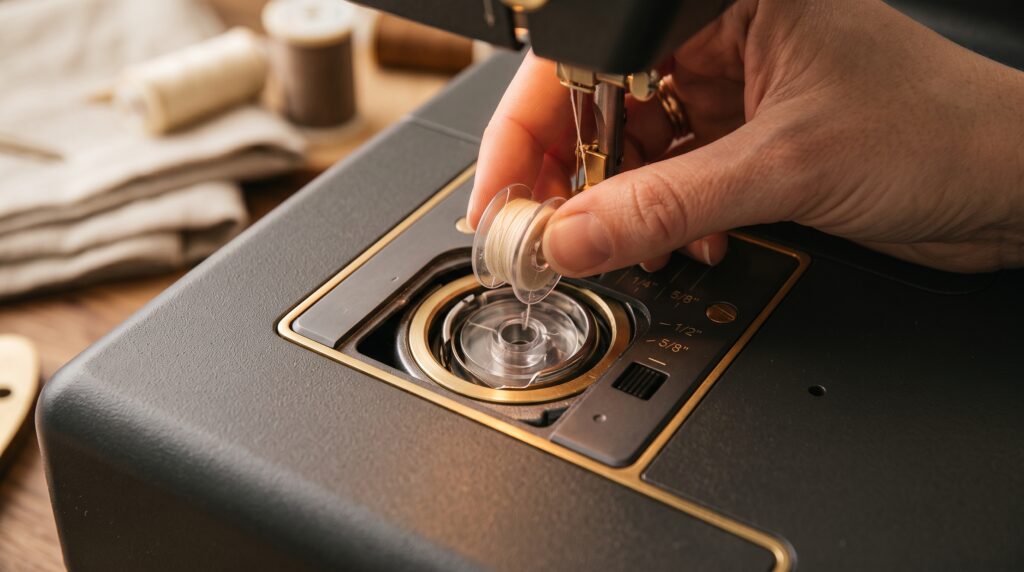
A top-loading, drop-in bobbin lets you see the thread and load it in seconds. Front-loading bobbins work fine once you’re experienced, but they add an extra fiddly step that trips up a lot of first-time users.
Automatic Needle Threader
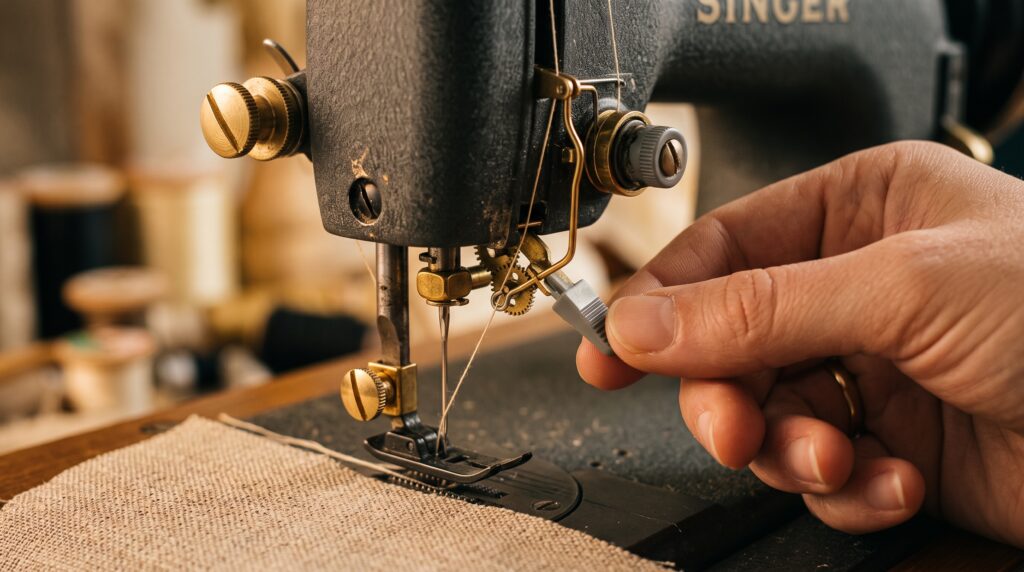
Threading a needle by hand, especially on a slightly higher-end machine with a small needle eye, is one of the more frustrating parts of getting started. An automatic threader removes that friction entirely and is worth prioritizing over almost any other feature.
Adjustable Speed Control
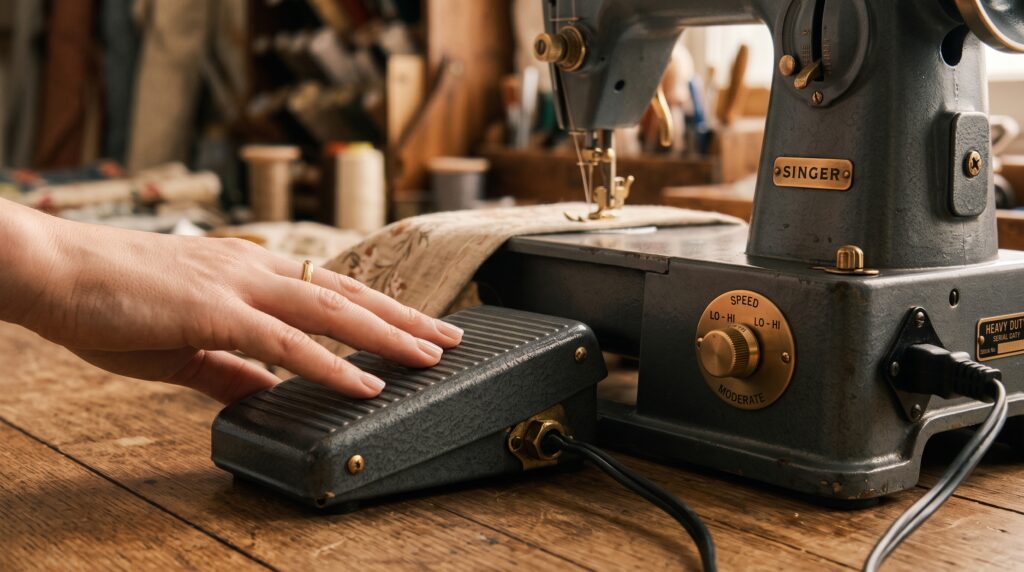
New sewists need to go slow, and a machine with a speed limiter or adjustable maximum speed prevents the common beginner problem of the fabric running away from you the moment you press the pedal.
A Small, Useful Stitch Selection
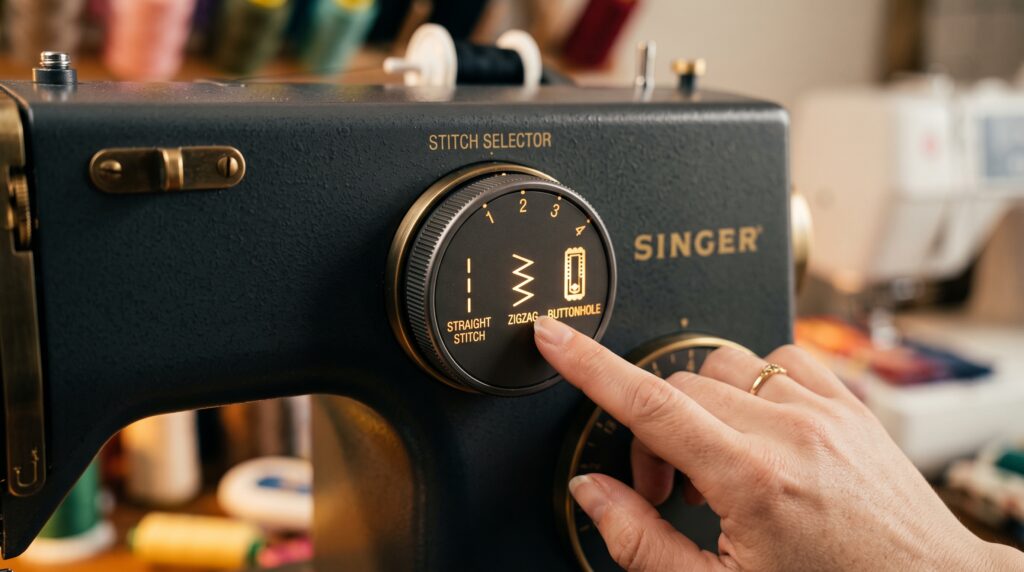
You genuinely only need three stitches to start: straight stitch, zigzag, and a buttonhole stitch. Every additional decorative stitch is nice to have eventually, but none of them help you learn the fundamentals any faster.
How to Choose Your First Machine (Step by Step)
Step 1: Decide Your Budget Range
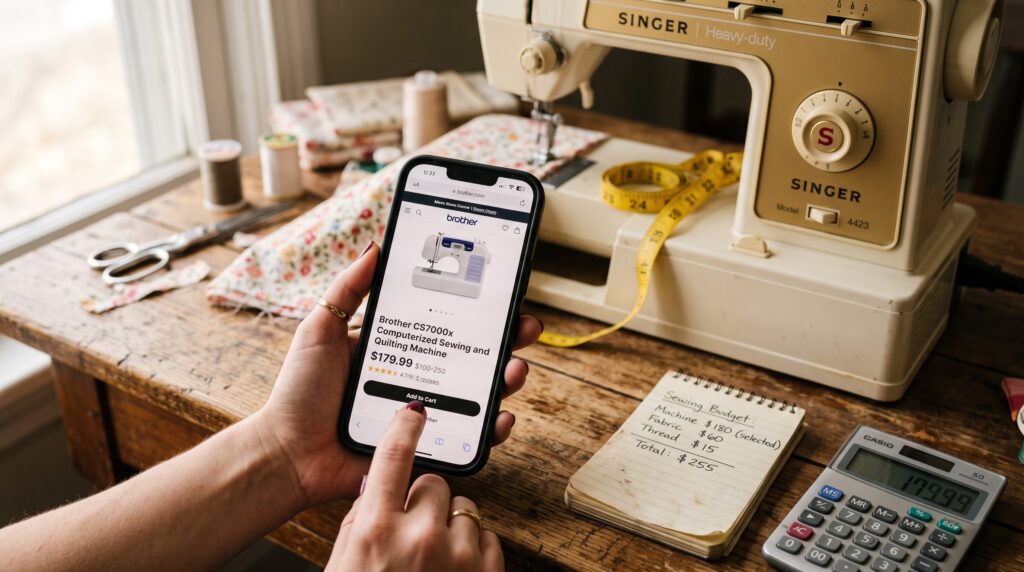
Set a realistic range before you start browsing. For a genuine first machine, $100 to $250 covers everything you need without overpaying for features you won’t use for months, if ever.
Step 2: Confirm It Has a Drop-In Bobbin
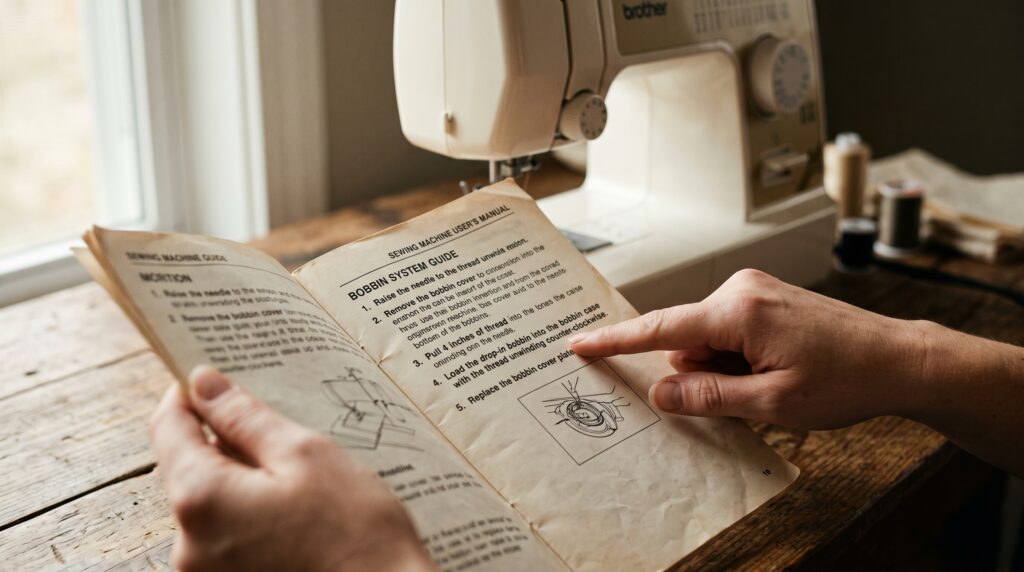
Check the product listing or manual specifically for this. It’s one of the fastest ways to filter out machines that will frustrate you early on.
Step 3: Confirm Automatic Needle Threading
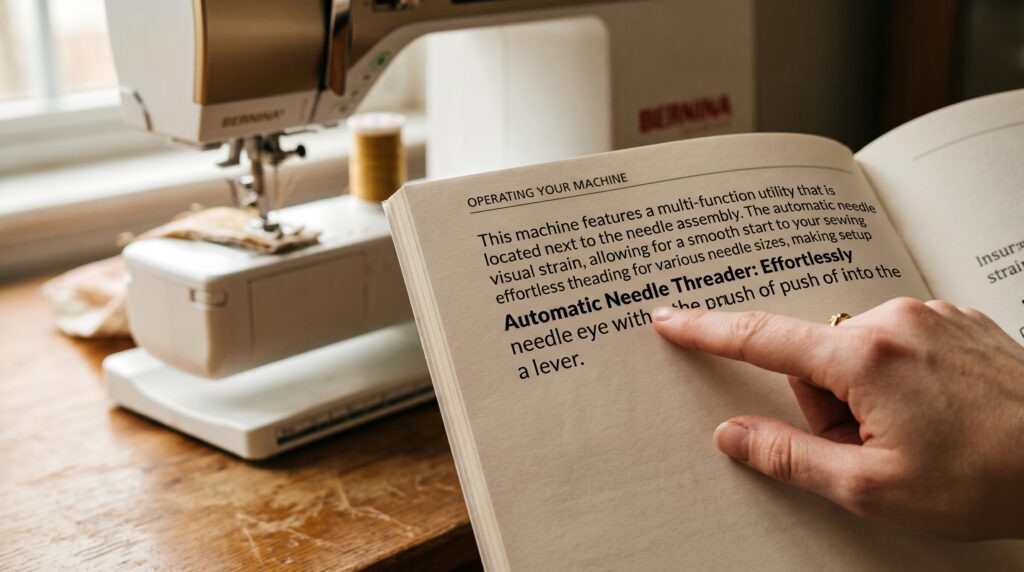
This should be listed clearly in the product description. If it’s not mentioned, assume the machine doesn’t have it.
Step 4: Check the Stitch Count, But Don’t Chase It
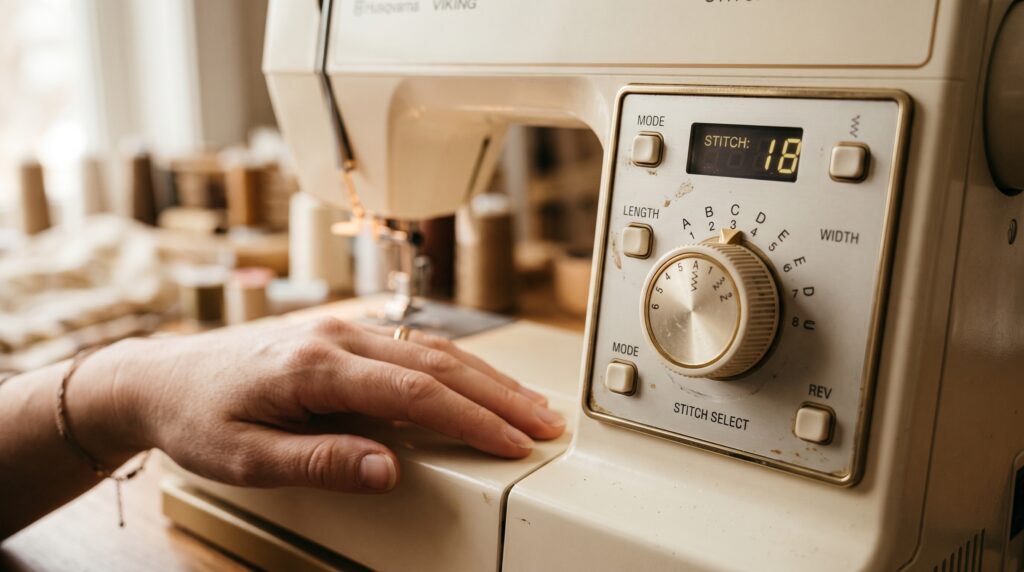
Anything from 15 to 70 stitches is more than enough. A machine advertising 200+ stitches isn’t a red flag, but it’s also not a reason to pay more as a beginner.
Step 5: Read Reviews for Reliability, Not Features
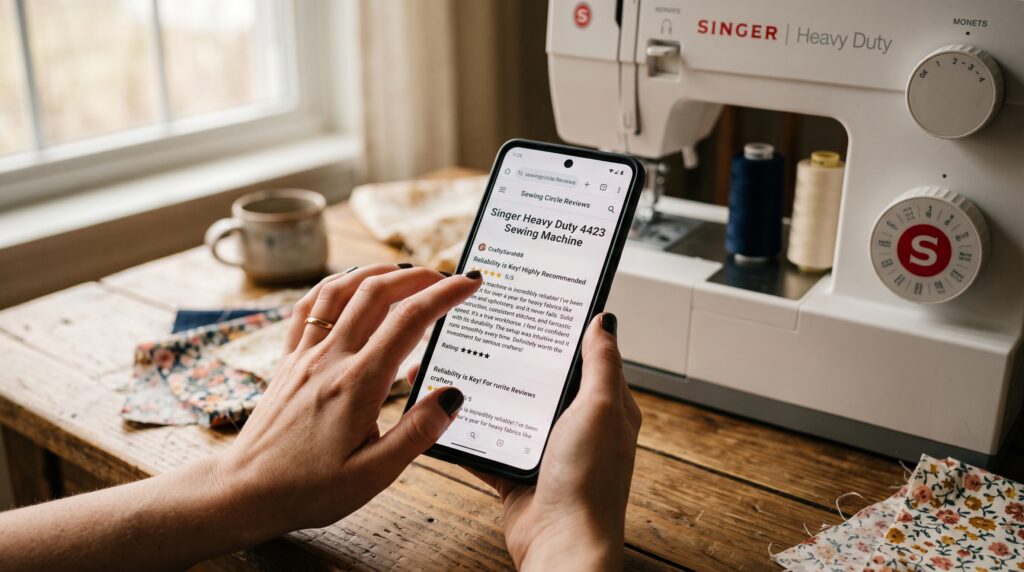
Look specifically for reviews mentioning tension problems, thread jamming, or the machine breaking within the first year. Feature lists are marketing. Reliability complaints tell you what actually happens after purchase.
Step 6: Buy From a Retailer With Return Support
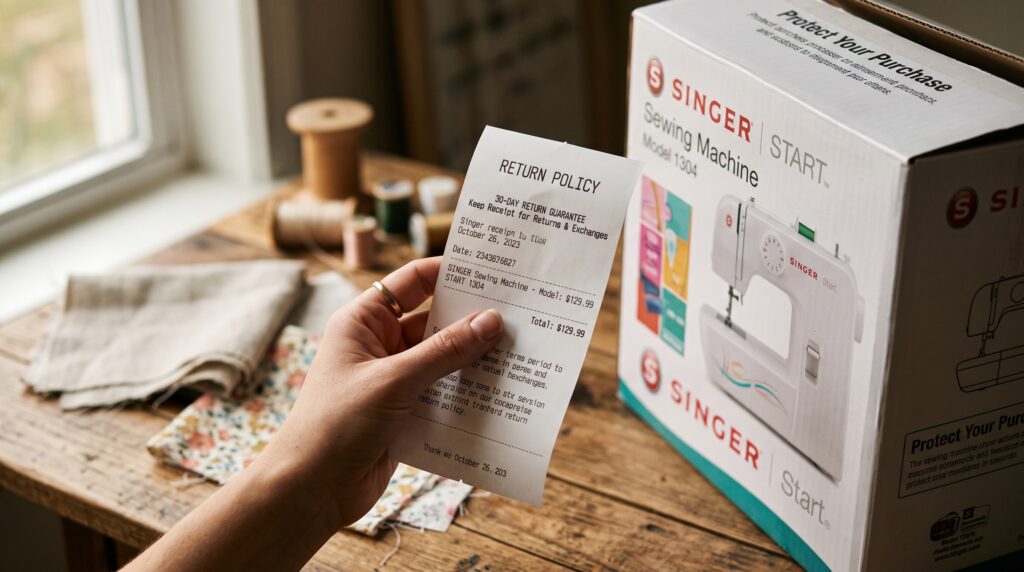
Sewing machines can behave differently once you’re actually using them regularly. Buying somewhere with an easy return or exchange window protects you if the first machine doesn’t fit how you actually sew.
Common Beginner Mistakes When Buying
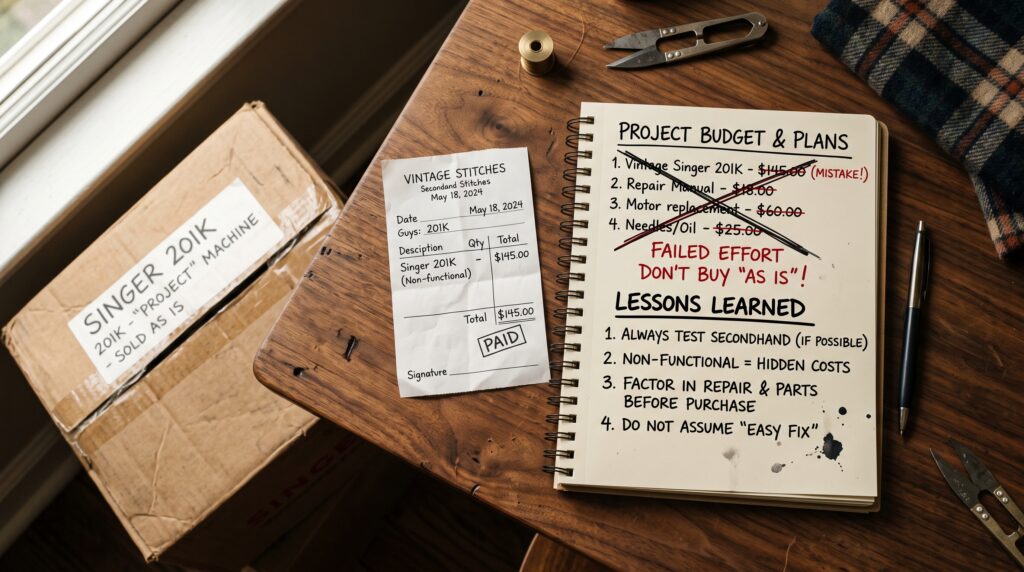
- Choosing a machine based on stitch count instead of core usability features
- Assuming a higher price always means better quality for a first machine
- Skipping the manual and figuring things out by trial and error, which extends the learning curve unnecessarily
- Buying a heavily discounted machine from an unknown brand with no parts or support availability
- Overbuying capacity for projects you’re not actually planning to make yet
What Comes in the Box (And What You’ll Need to Buy Separately)
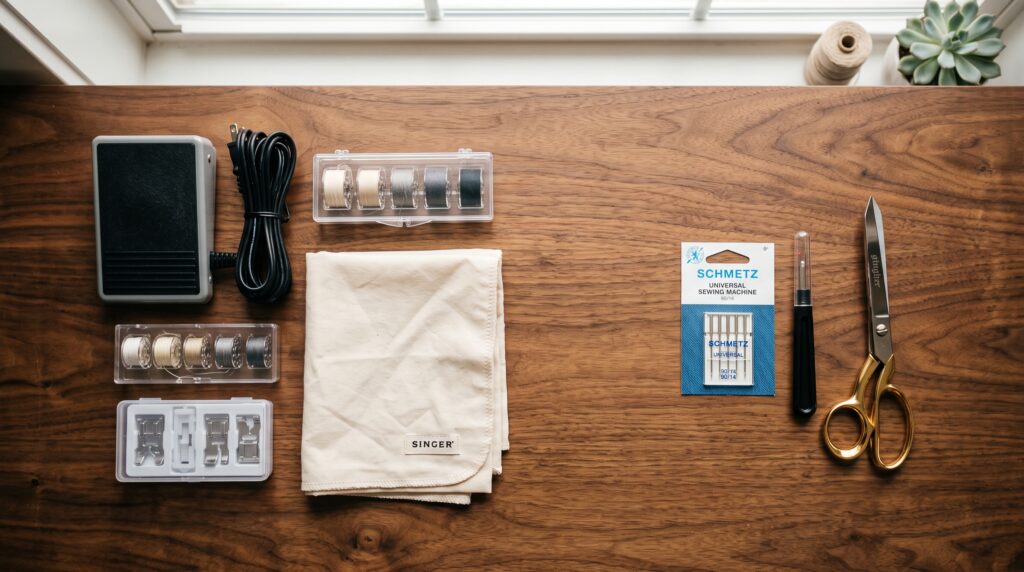
Most beginner machines ship with a foot pedal, power cord, a small set of bobbins, a few basic presser feet, and sometimes a soft dust cover. What they usually don’t include is a proper set of machine needles beyond the one already installed, a seam ripper, or fabric scissors. Budget a small amount beyond the machine’s sticker price for these basics, since running out of needles mid-project is a common first-month surprise.
It’s also worth checking whether the listing includes an instructional manual or link to video tutorials from the manufacturer. Machines from well-known brands almost always do, while unfamiliar budget brands sometimes skip this entirely, leaving you to guess at basic setup.
Keeping Your First Machine Running Well
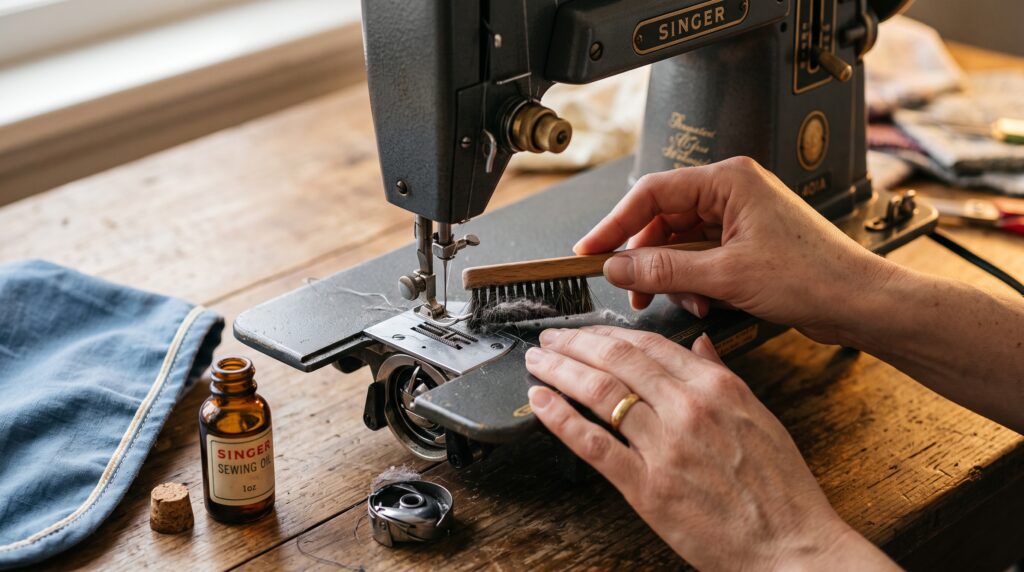
A beginner machine doesn’t need much maintenance, but skipping the little it does need shortens its lifespan considerably. Clean lint out from around the feed dogs every few hours of active sewing, since built-up lint is one of the most common causes of tension problems and skipped stitches. If your manual calls for oiling specific points, a single drop applied as instructed keeps the internal mechanism moving smoothly. Store the machine under its dust cover when it’s not in use, since dust buildup on an exposed machine causes the same tension and jamming issues as lint does.
None of this takes more than a few minutes, but machines that get this basic care regularly tend to last years longer than ones that don’t.
Frequently Asked Questions
Do I need a computerized sewing machine as a beginner? No. A mechanical machine with a drop-in bobbin and automatic needle threader covers everything a true beginner needs, usually at a lower price and with easier repairs.
How much should I spend on my first sewing machine? Plan on $100 to $250 for a reliable machine that will comfortably last several years of regular beginner and intermediate use.
What’s the most important feature for a beginner sewing machine? The automatic needle threader and drop-in bobbin combination removes the two most common early frustrations, and matters more than stitch count or brand name.
Can I learn to sew on a cheap or secondhand machine? Yes, as long as it has basic stitch options and is mechanically sound. A well-maintained secondhand machine often outperforms a poorly reviewed new budget model.
How long does a beginner sewing machine typically last? With basic maintenance, cleaning lint from the feed dogs and keeping it lightly oiled, a decent beginner machine typically lasts 5 to 10 years of regular home use.
Should I buy extra presser feet when I purchase the machine? Not right away. Start with the feet that come standard and add specialty feet, like a zipper foot or buttonhole foot, only once you’re working on a project that actually needs them.
Once you’ve picked a machine, our complete guide to hand and machine sewing walks through the fundamentals you’ll actually use it for. And if you’re ready for your first project, this DIY maxi dress tutorial is a good next stop.
For broader sewing education and community resources, the American Sewing Guild is a well-established nonprofit organization worth knowing about as you continue learning.